
5 technology shifts reshaping wireless earbuds in 2027
Only two of the five are features. The other three are a compatibility problem, a legal problem and a labelling problem — and they are the ones that cost money if you get them wrong.
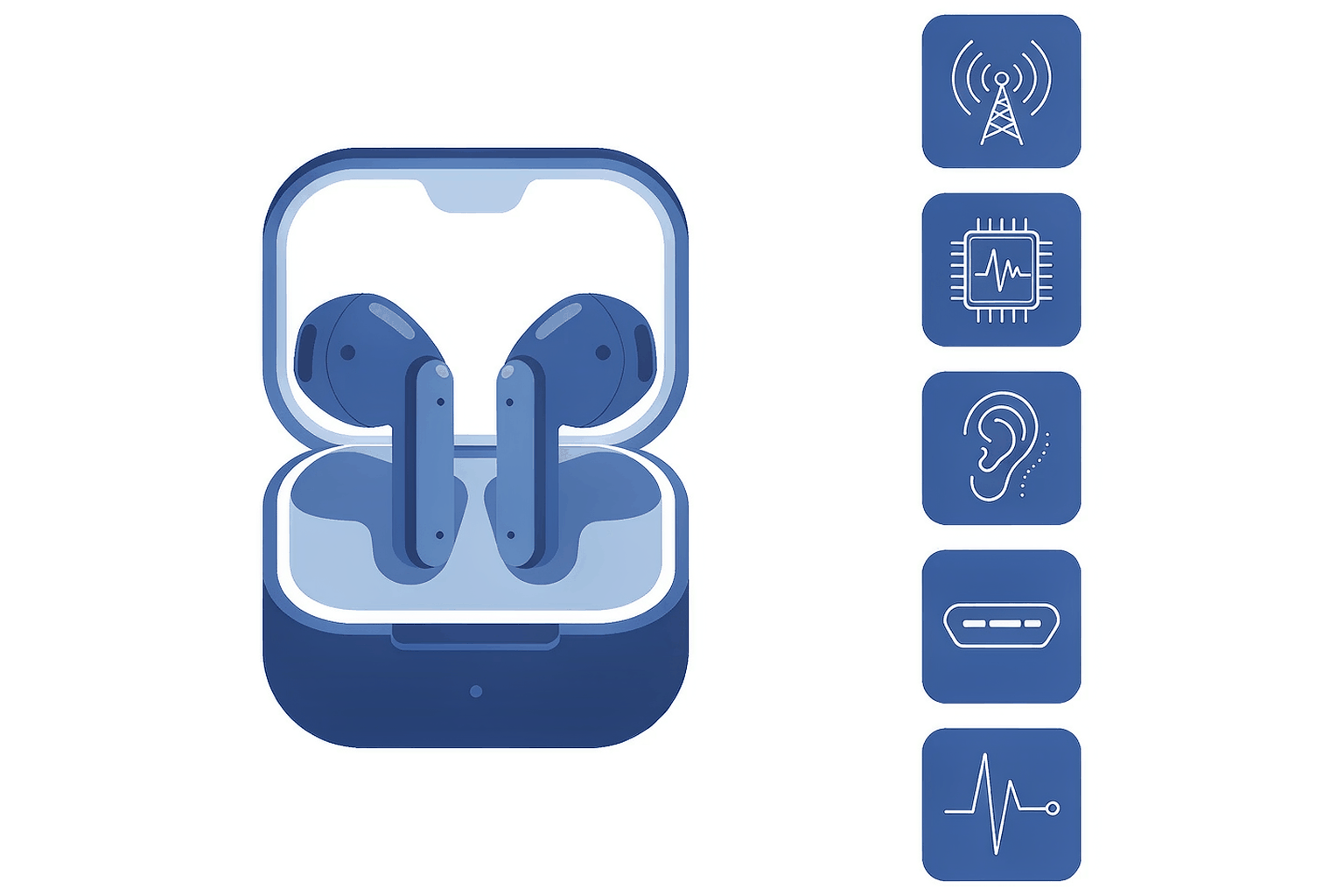
Five things will decide whether a 2027 earbud program makes money, and only two of them are features. First, LE Audio and the LC3 codec stop being a premium line on the spec sheet and become the default link. Second, wake words and small language models move onto the bud itself, which is a power budget question before it is an AI question. Third, some earbuds will be sold as regulated hearing devices while the rest have to stay carefully outside that lane. Fourth, the EU's common charger rules put the charging case in scope, which turns an accessory into a compliance item. Fifth, health sensors arrive slowly and most buyers pay for them twice — once at the factory and once in returns. Only the second one is really about technology. The other four are about compatibility, law, paperwork and verification, and those are where programs lose quarters.
Shift 1: LE Audio stops being a premium line item
LE Audio arrived with Bluetooth 5.2 in 2020 and spent four years as a marketing bullet on flagship chips. The interesting part was never the name. It is the codec underneath, LC3, plus two architectural changes that finally matter in volume products.
LC3 buys bitrate headroom. LC3 delivers audio quality comparable to SBC at roughly half the bitrate — the usual comparison is LC3 at 160 kbps landing in the same quality band as SBC at 328–345 kbps. That headroom pays for itself twice: either you keep quality and cut radio time, or you keep radio time and improve quality. On a 40–60 mAh bud cell, radio time is the whole argument.
Multi-stream removes the relay. Old true wireless relayed audio from phone to right bud to left bud. The relay bud carried both the radio load and its own audio, so it ran hotter and drained 15–25% faster than its partner. LE Audio can send independent streams to each side. Customer-visible result: the two buds finally age at the same rate.
Latency drops by an order of magnitude. SBC over A2DP typically lands 150–250 ms end to end. LE Audio in its low-latency configurations reaches roughly 20–40 ms. That is the difference between "gaming mode" being a codec setting and gaming mode being a separate dongle.
Broadcast arrives, unevenly. Auracast lets one transmitter feed an unlimited number of receivers with no pairing. Real deployments, not press releases: a major concert hall in Australia put transmitters into three foyer venues in March 2025, and a large European airport trialled gate announcements broadcast to hearing aids, earbuds and phones at two gates in Terminal 1 in early 2026. By early 2026 the count of public venues with transmitters installed had passed 2,000. The Bluetooth SIG's forecast, citing ABI Research, points at roughly 3 billion LE Audio devices shipping per year inside five years and around 90% of smartphones supporting the standard by 2027.
So on paper, by 2027, LE Audio is table stakes. On retail shelves, it will not be, and the reason is the next section.
The part nobody says out loud: the phones are the bottleneck
Every earbud link runs at the floor of what both ends support. That single sentence explains most of the disappointment customers feel in the first ten minutes with a technically superior product.
Here is the situation as we see it from the factory side in late 2026. Recent Android flagship lines from the three biggest vendors support LE Audio, and several of them can both receive and transmit Auracast broadcasts. Apple's phones, which represent the single largest group of premium earbud buyers in the US and Western Europe, list Bluetooth 6 on the spec page and still do not offer LE Audio or Auracast reception in the audio settings. So a fully capable 2027 earbud, paired to a phone that is three years old or from the wrong camp, silently falls back to SBC at 150–250 ms.
Two things follow from that, and both are commercially important.
- Do not lead with the standard on the box. In 2027 the honest place for "Auracast" is the manual, the settings screen and the FAQ — not the front panel. A customer who buys for a feature their phone cannot deliver is a return, and a return costs more than the extra price that feature let you charge.
- Test the fallback path, not the best case. Ask the factory for a link log — negotiated codec, bitrate, retransmission count — across at least three phone models: your newest supported device, a two-year-old mid-range model from the same brand, and one device from the other platform. If a supplier cannot produce that log, they have tested the demo, not the product.
This is also why we now write the compatibility matrix into the RFQ as a deliverable rather than a note. It costs nothing to produce and it prevents the single most common 1-star review pattern in this category: "no better than my old ones."
Shift 2: the wake word moves onto the bud, and the power budget pays for it
Until about 2023, "Hey Cyan"-style wake words mostly ran in the phone app, using the phone's low-power audio path. Moving the same job into the bud changes the arithmetic, because the bud's battery is a different order of magnitude.
An always-on keyword spotter on a dedicated low-power core costs roughly 0.5–3 mW, depending on model size and how often it samples. That reads like nothing. Then you multiply it: 3 mW held for 16 hours of awake time on a 3.7 V, 50 mAh cell consumes roughly 13 mAh. That is a quarter of the entire bud cell spent listening for two words. And that is before translation, noise classification or adaptive noise cancelling claim any current.
Which is why the 2027 architecture is hybrid, not "all on device."
| Job | Where it runs in 2027 | Why it cannot move yet |
|---|---|---|
| Wake word / key phrase | On the bud, always on | Under 3 mW on a dedicated core, and the round trip to a phone adds 60–150 ms that users notice |
| Voice activity and environment classification | On the bud, sharing the same core | Cheap in power, and it must run whether or not a phone is connected |
| Adaptive feedback cancellation | On the bud DSP | The correction loop has to close in well under a millisecond |
| Sentence-level translation | Phone, or cloud for the long tail of languages | A usable model is two to three orders of magnitude larger than the bud's memory allows, and it wants 200–600 mW while running |
| Personalised hearing or EQ profile | Computed on the phone, applied on the bud | The fit is a one-time calculation; the correction is a few filter coefficients |
Our stance on this one is blunt. If a supplier quotes "on-device AI translation" as a chip feature, ask two questions: how many megabytes is the model, and how many words per second does the product produce with the phone in airplane mode. If they cannot answer both, it is a cloud feature with a marketing sticker, and you should price it as one.
Shift 3: some earbuds become regulated devices, and the rest must stay out of that lane
The United States created an over-the-counter hearing aid category in 2022, which let products be sold for mild to moderate hearing loss without a clinic visit or a fitting appointment. What actually moved the market was a 2024 decision by a major phone maker to have its earbuds cleared to run as an over-the-counter hearing aid. A mainstream retail pair suddenly did part of what used to require a product costing several times more, and every product manager in the category noticed.
The trap is the wording, not the technology. An in-app hearing test, a stored personalisation curve and speech-in-noise enhancement are consumer audio features. The words "hearing aid" are a regulated claim, and the moment they appear on your box or your listing you have moved into a different regime — technical documentation, clinical evidence expectations, and product liability that the importer of record carries. In the EU, hearing aids sit under the medical device framework, and self-fitting amplification for "mild hearing difficulty" is a zone regulators have been tightening rather than loosening.
There is a large commercial prize on the other side. The World Health Organization puts the number of people with some degree of hearing loss at roughly 1.5 billion, and the share of people who could benefit from amplification and actually get it is around 17%. The untreated population is the market, and the reason it is untreated is price and stigma.
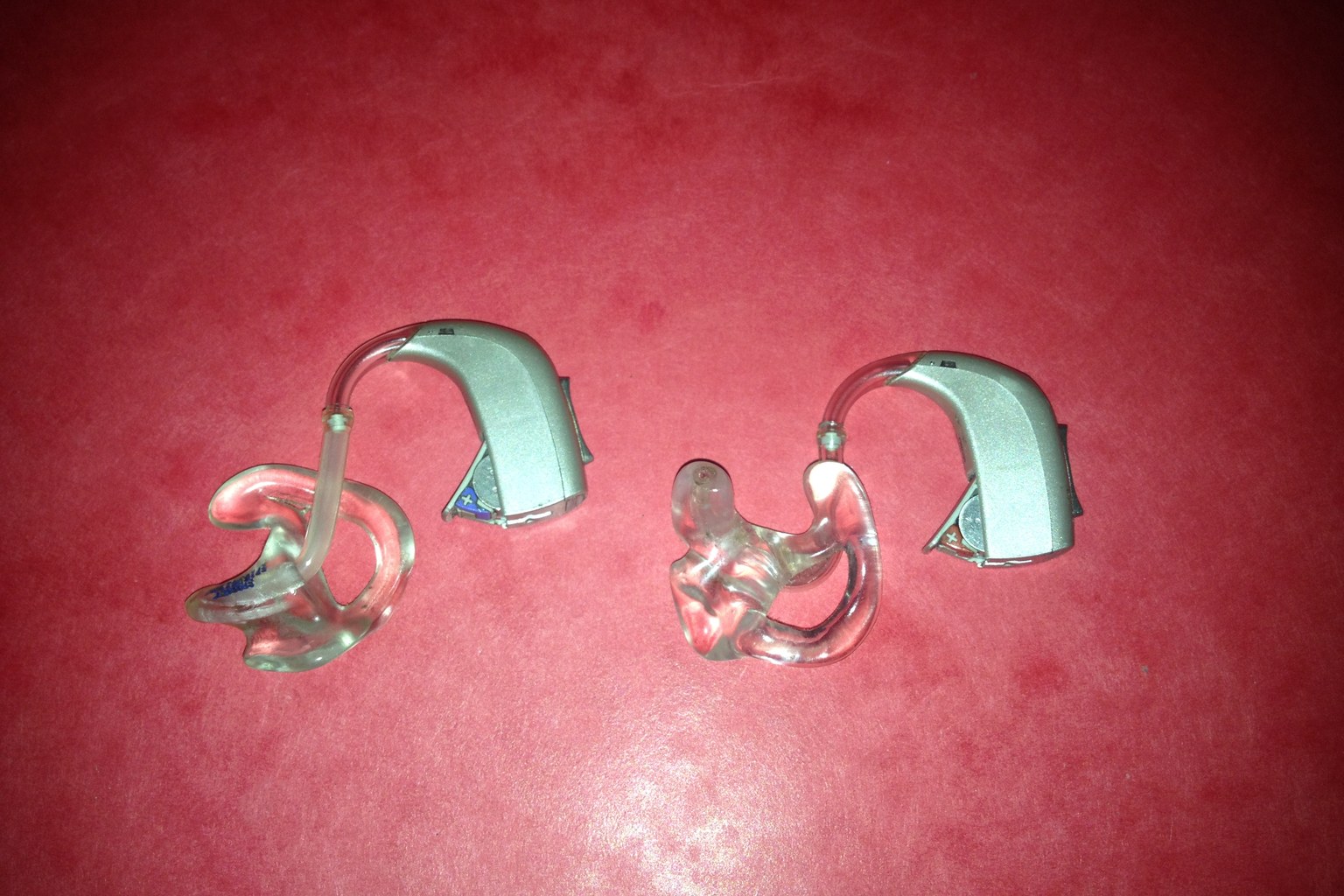
So the position we advise for 2027: ship the feature, avoid the claim. Sell a hearing test and a personalisation curve as personalisation. Describe outcomes in terms of speech clarity and comfort, not treatment. Charge for the capability and let someone else inherit the liability. If you genuinely want the regulated product, plan for it as a separate model, a separate file and a separate budget — not as a firmware update on your existing SKU.
Shift 4: the charging case is now the product the regulator looks at
The EU's common charger rules have applied since 28 December 2024 to handheld phones, tablets, cameras, headphones, headsets, portable speakers and earbuds. The detail that matters for this industry is that the guidance treats earbuds together with their dedicated charging case, because the case is part of how the product is used. The USB-C receptacle obligation therefore lands on the case, not on the bud.
The rest of the rule set is administrative and easy to forget until a listing gets blocked:
- A USB-C receptacle is required on devices that recharge by wire. Products that charge only wirelessly sit outside the wired rule, which is one reason magnetic wireless cases keep appearing in product plans.
- Fast charging above 15 W (5 V at 3 A) must use USB Power Delivery, so the device negotiates properly with any compliant charger instead of demanding its own brick.
- The charger is unbundled by default: if you offer the product with a charger, you must also offer it without one, and you must print the pictogram on the packaging showing which version this is.
- A label and the instructions must state the device's minimum and maximum charging power and whether it supports USB PD.
- Laptops had until 28 April 2026. That timeline is worth remembering, because it shows the EU is willing to move an entire product category by rule and on a published date.
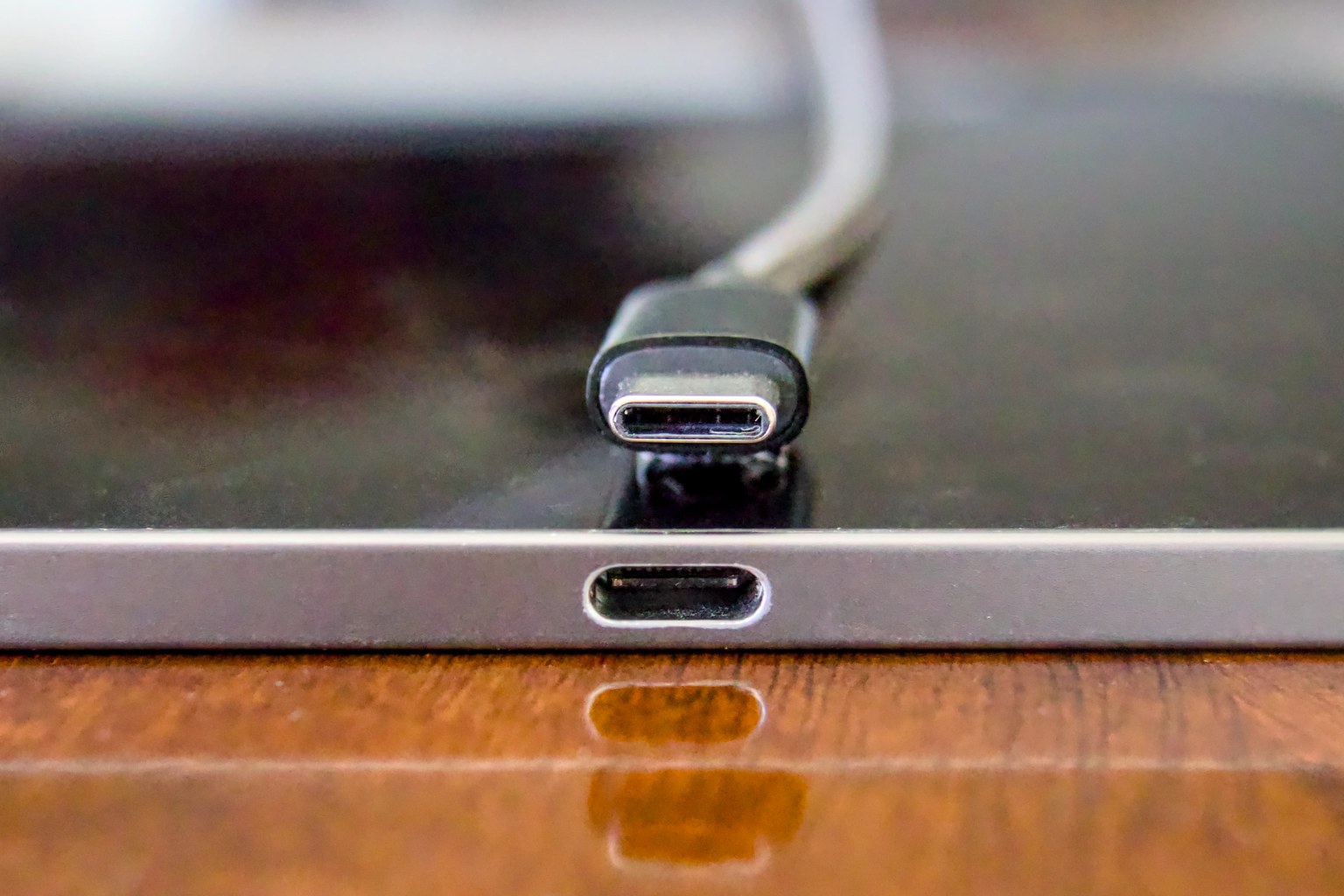
Practical consequence for a 2027 program: the case is not an accessory to your BOM, it is a distinct compliance item with its own tooling, its own artwork and its own test report. And because the case carries 300–600 mAh against the bud's 40–60 mAh, it is also where your headline playtime number actually comes from. "40 hours" is almost never a bud figure. It is a case figure, and after the EU's labelling rules it is a figure you need to be able to explain in writing.
Shift 5: sensors arrive slowly, and buyers pay for them twice
Heart rate, skin temperature, posture, step count, in-ear detection, fall detection. Premium prescription hearing instruments have carried fall detection and activity classification for a few product generations, and the earbud category is following at a slower pace, for a simple reason: the ear is a difficult measurement site.
Optical heart rate on an earlobe is reasonably good at rest and degrades badly with jaw movement, chewing and head motion. Skin temperature drifts with ambient conditions and gives you relative trends rather than absolute readings. Fall detection is a thresholding problem that depends on where the device sits and how it is worn, and every false negative is a liability conversation.
None of that makes the sensors worthless. It makes them unverifiable by spec sheet, which is exactly the point. A sensor line item on a quotation is a promise; a validation protocol is a product.
| What the factory offers | What to ask for before you pay | What we refuse to fund |
|---|---|---|
| LE Audio support | A link log across three named phone models, including the oldest one your channel sells to | Certificates that list a chip, with no end-to-end log |
| Wake word and voice control | Idle current draw with the feature enabled but the phone disconnected | "On-device AI" with no model size and no offline word rate |
| Hearing personalisation | Wording review: personalisation language, no treatment claims, no medical device vocabulary | Any packaging that says hearing aid, unless it is a separate regulated model |
| USB-C case | Receptacle spec, PD negotiation behaviour, pictogram artwork, min/max power label, manual text | An artwork change requested after the mould is cut |
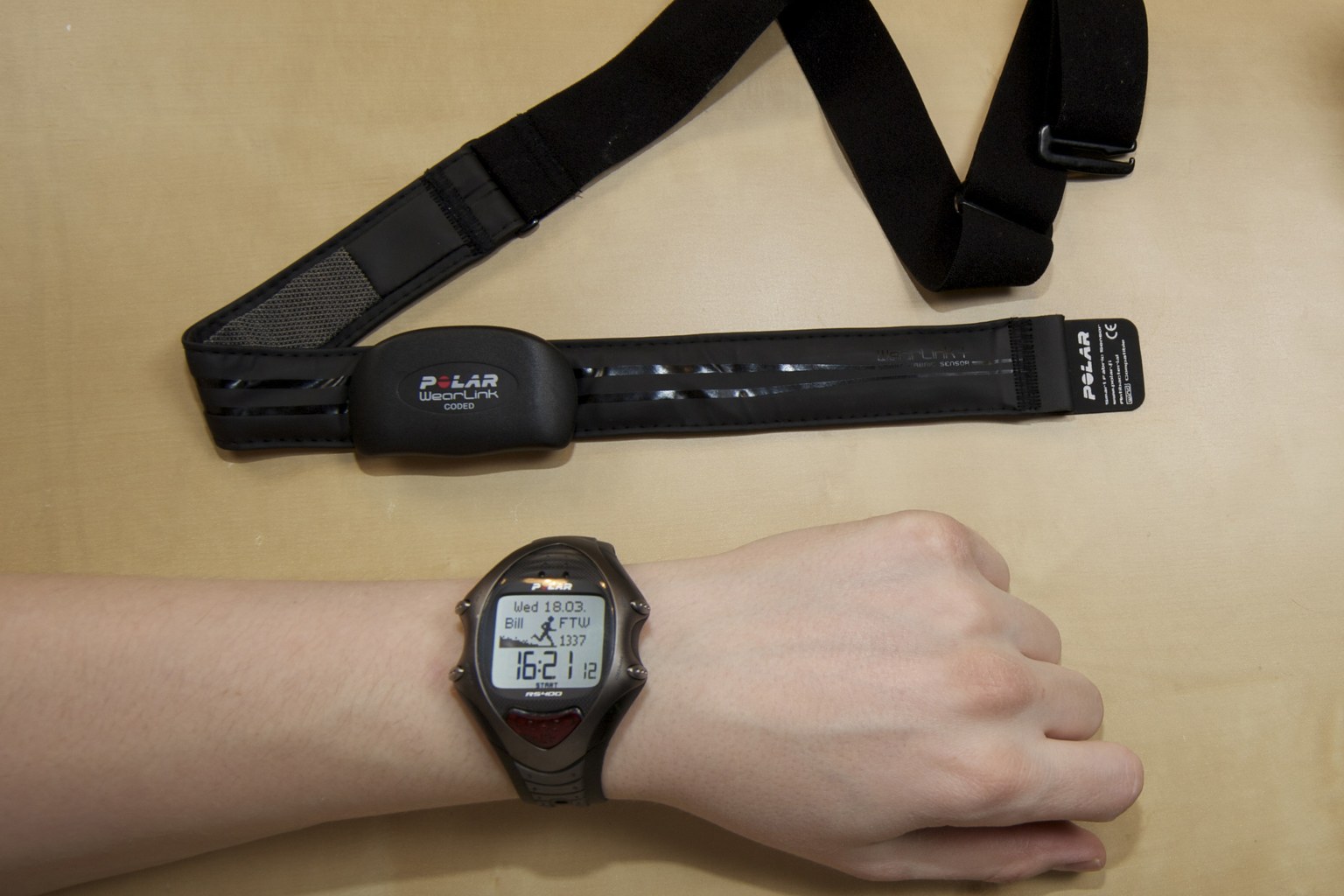
| Heart rate or temperature | A comparison run against a chest strap or clinical thermometer, at least 12 subjects, walking and running | A sensor that only has a datasheet accuracy figure |
What this looked like on a real program
We had a retail client in Western Europe who wanted "Auracast ready" printed on the front of the box. It was a reasonable request — their supplier had the feature, their competitors were starting to advertise it, and retail buyers like a badge. We asked them for one thing before we committed the artwork: their point-of-sale data for the top five phone models in their market.
The answer was uncomfortable. Of the five models that accounted for most of their customers' phones, one supported receiving broadcast audio. Two supported LE Audio as a link but not broadcast reception. Two supported neither. The badge would have been true on the bud and false in the customer's hand for the large majority of buyers.
We moved the claim into the manual and the settings screen, and spent the artwork revision on a compatibility line instead: a short sentence naming the phone models that would actually get the feature. Cost of the change: one artwork revision and 6 days. It is not a growth story, but the second order from that client came 11 months later instead of never, which is the more useful number.
Our stance
Do not buy a standard, buy the fallback. In 2027 the difference between two LE Audio earbuds will be entirely in how they behave when paired to a phone that does not support it. That behaviour is decided by firmware, and it is the part you can specify.
Do not accept "AI" as a component. Ask for megabytes, offline word rate, and idle current. A vendor who answers all three is a partner. A vendor who answers none is a broker.
Do not let the case ride on the bud's change list. Its mould, its artwork, its label and its receptacle are all separately regulated now, and artwork changes after tooling are the most expensive kind of late change there is.
Do not buy a sensor you cannot see working. Twelve subjects, two activity states, one reference instrument. That is the whole test protocol and it should not be negotiable.
Do not use regulated vocabulary for a consumer feature. Personalisation is a feature. Treatment is a claim. The words cost nothing in unit BOM and everything in liability.
Planning an earbud program for 2027?
We develop TWS, open-ear, bone conduction and translation models with vetted Shenzhen partner factories — covering link-layer validation, power budgeting, case and packaging compliance artwork, and pre-shipment inspection. Most inquiries get a reply within one business day.
See our wireless earbuds range →