★ Highest priority
Sourcing Guides
How to actually buy from Shenzhen — supplier vetting, payment milestones, common pitfalls, logistics basics.
This website uses essential cookies so that it works properly. With your consent, we would also like to use analytics cookies to understand how the site is used and keep improving it — never to sell your data. No need to decide right now — you can browse the whole site either way. See our Privacy Policy.

Practical, no-fluff articles from our Shenzhen team. Covering sourcing, OEM/ODM, quality inspection, and product knowledge — written for procurement teams, brand owners, and category buyers.
Procurement-focused content, ranked by what buyers ask us most.
How to actually buy from Shenzhen — supplier vetting, payment milestones, common pitfalls, logistics basics.
AQL, CE / FCC / RoHS, MSDS / UN38.3 — what each one covers and when you actually need them.
Form factors, technology basics, comparison guides — for product managers and category buyers.
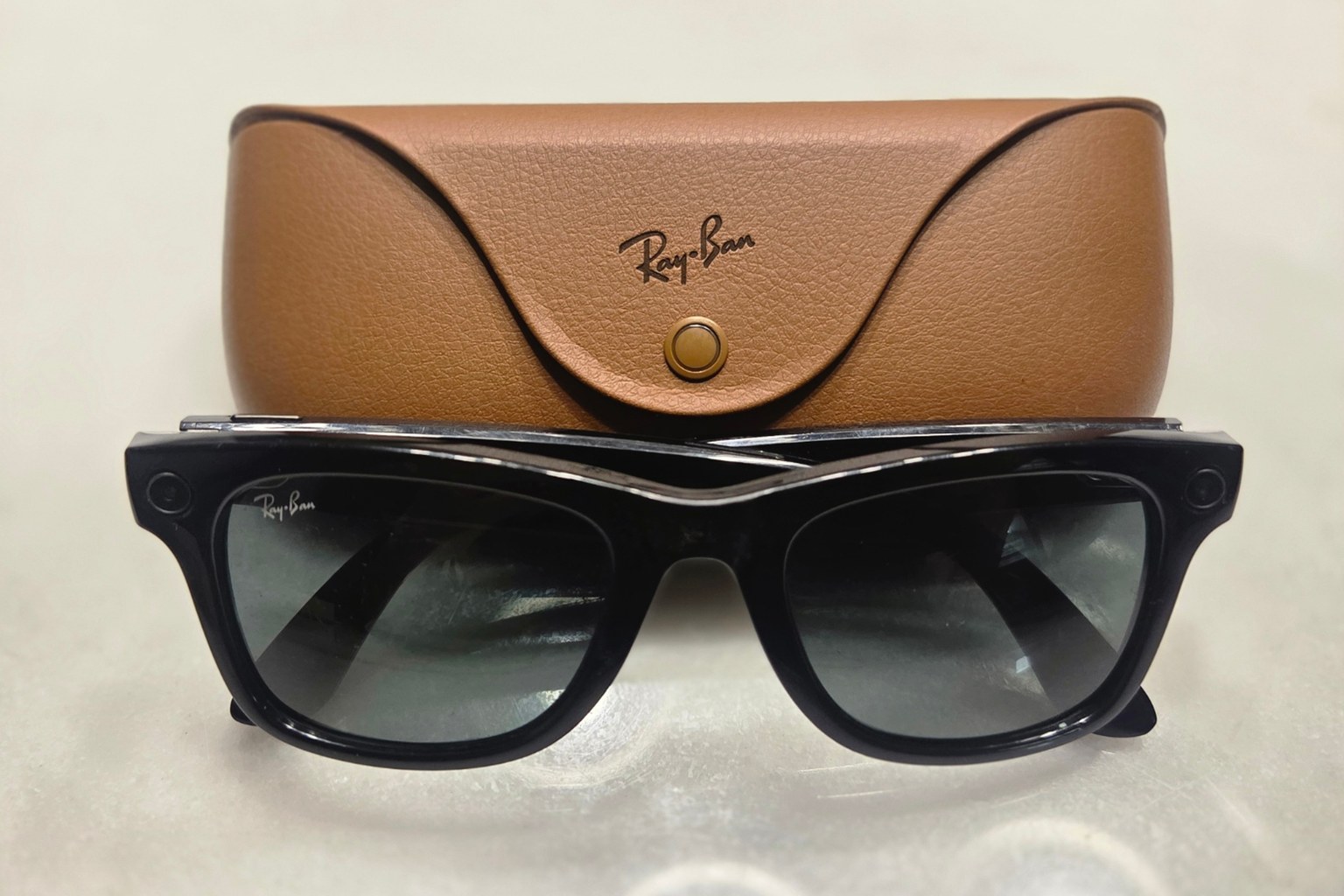
Every AI wearable is a three-tier machine: the bud, the phone and the server. Why 10.6 MB of audio-chip RAM cannot translate a sentence, what the AR1 and its co-processor split actually buy, how a 93% jump in DRAM prices turned local AI into a BOM decision, and the eight lines to put in your RFQ.
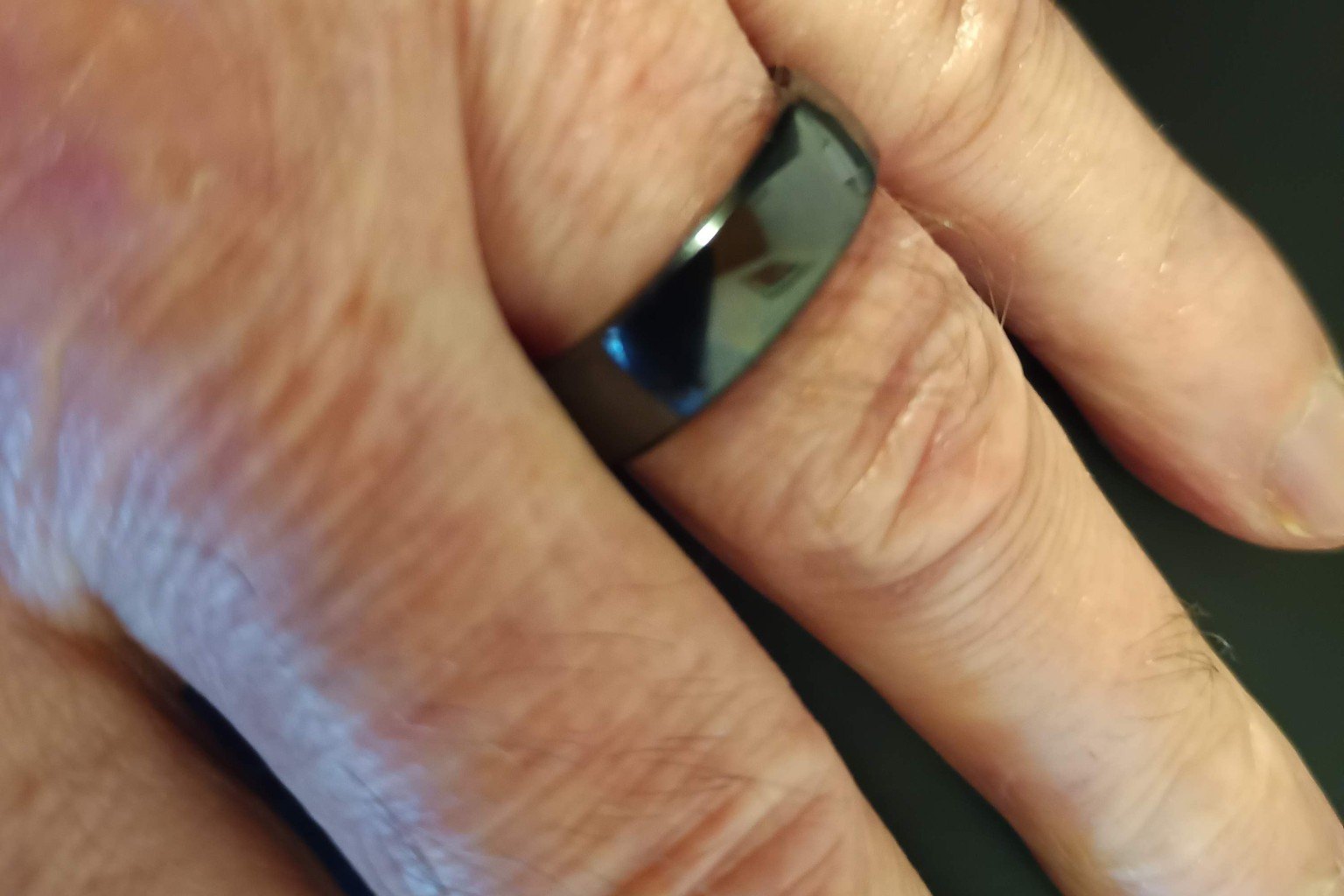
A ring gives you 1.5 to 3.5 cubic centimetres of internal volume and a watch gives you 10 to 15. How the category solved the cell, the antenna and the optical path at the same time, what the 2026 spec sheets actually say, and the six numbers to settle with a factory before tooling is cut.
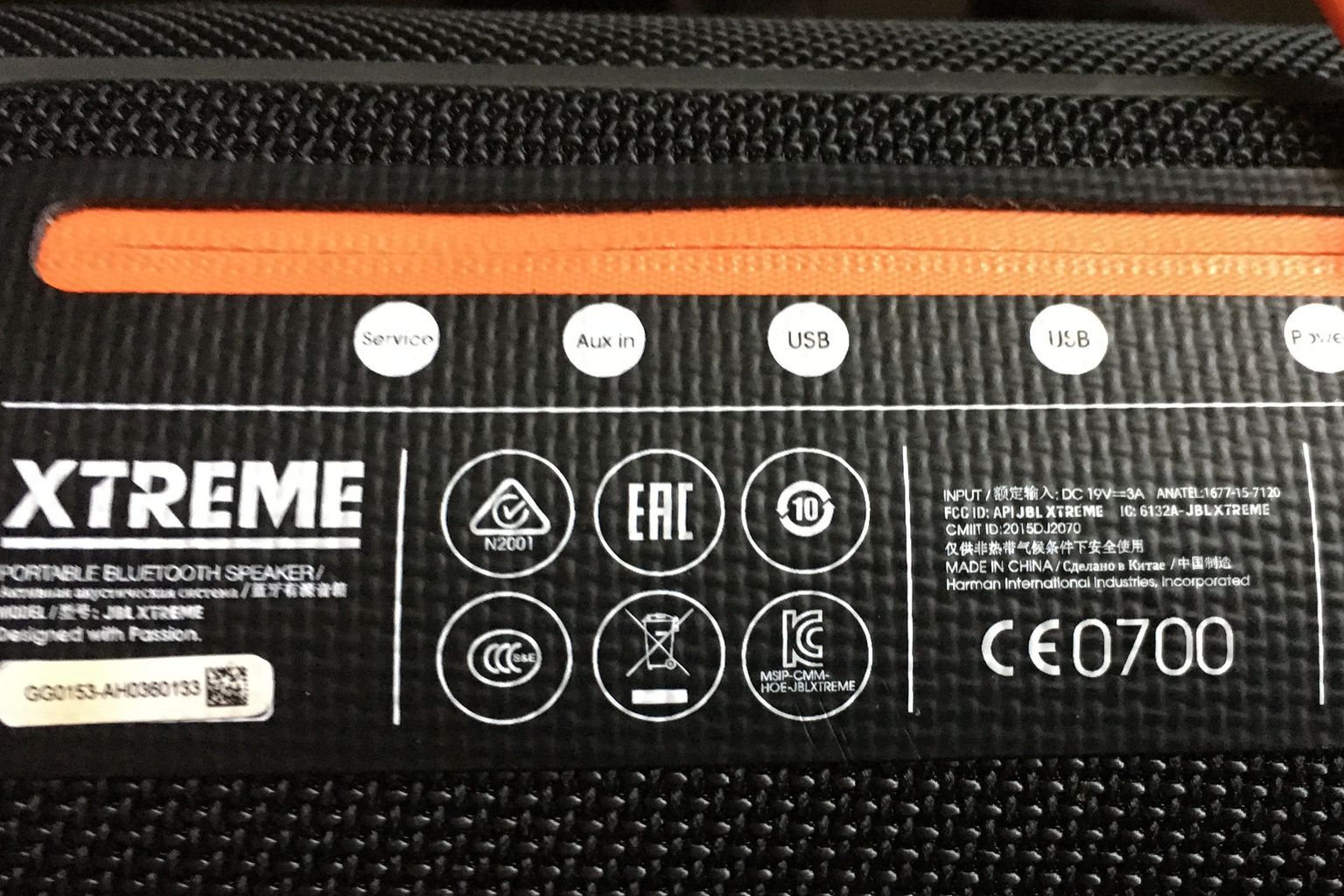
CE is a self-declaration, not a certificate. RoHS is one of the directives behind it. FCC is a public ID number for a transmitter. What each regime requires from an earbud, a wearable or a speaker, the cybersecurity clause that became mandatory in August 2025, the four documents and what each one proves, and what to put in the RFQ before you pay a lab.
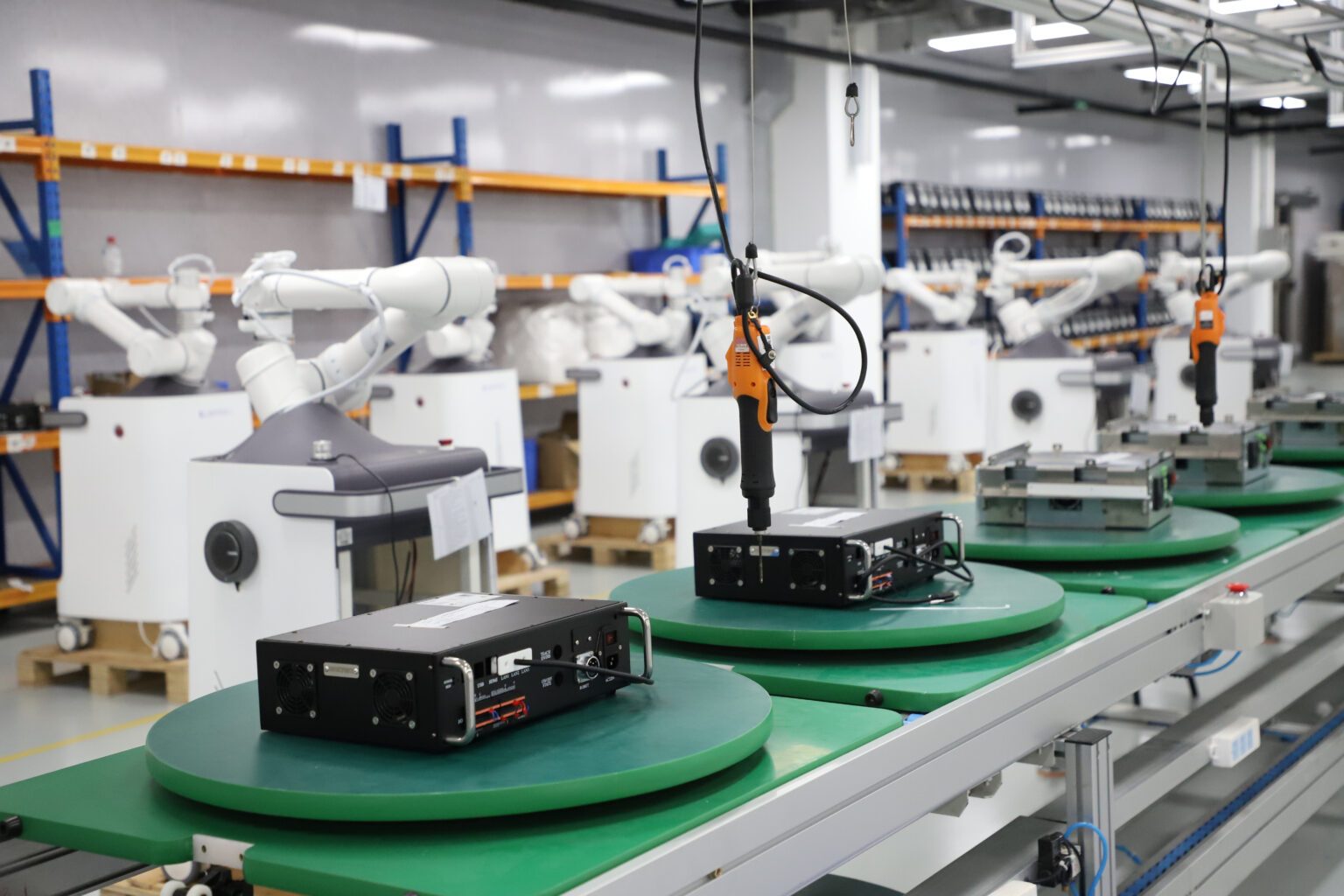
The during-production check and the pre-shipment check answer different questions, and only one of them can still change the order. What each report proves, the five lines that carry the verdict, the 20% of a shipment a PSI never sees, and why a certificate is not a report - with the purchase-order clauses that give both documents their authority.
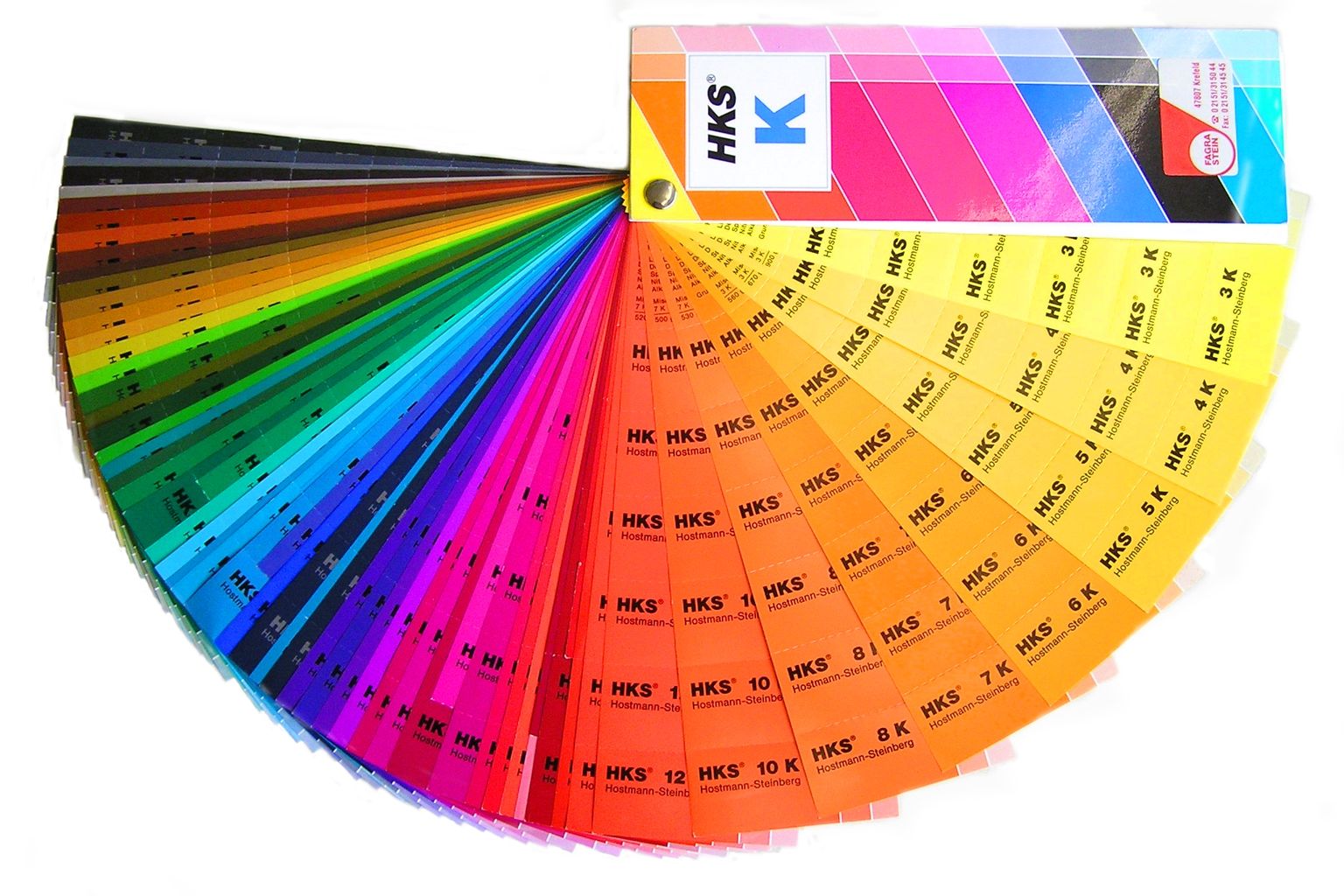
The eight lines a sample sign-off sheet has to carry before a first article becomes the reference your factory builds to: the drawing revision behind it, the colour reference and its tolerance in the production resin, the cosmetic zones with their defect standard, the dimensional report and its capability figures, the artwork revision, and the sealed golden sample both sides keep.
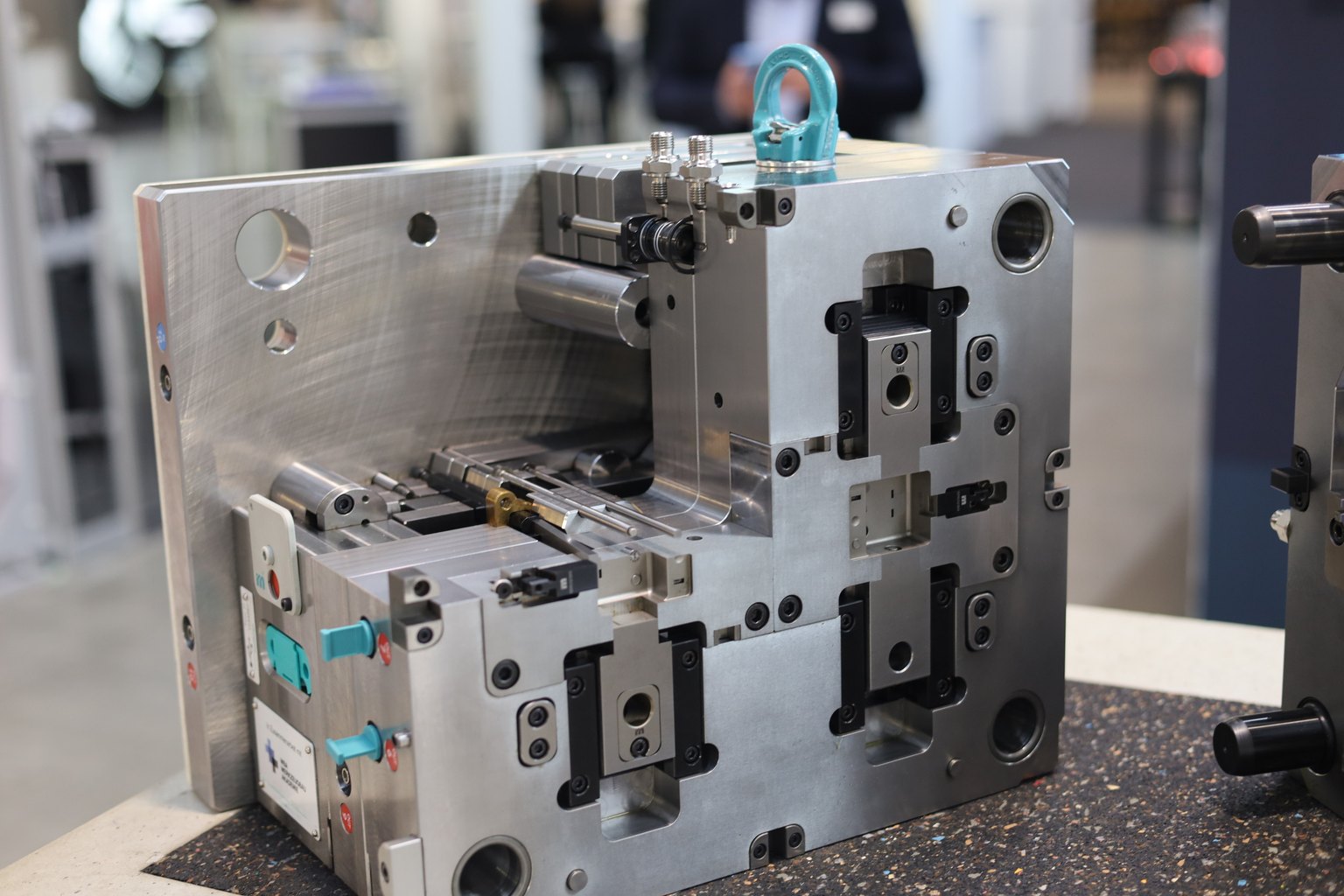
The NDA, the tooling ownership agreement, the non-circumvention clause and the sub-supplier declaration - what each clause has to say, what Chinese law does by default when the contract stays silent, and the parts of a first order that no document can protect.
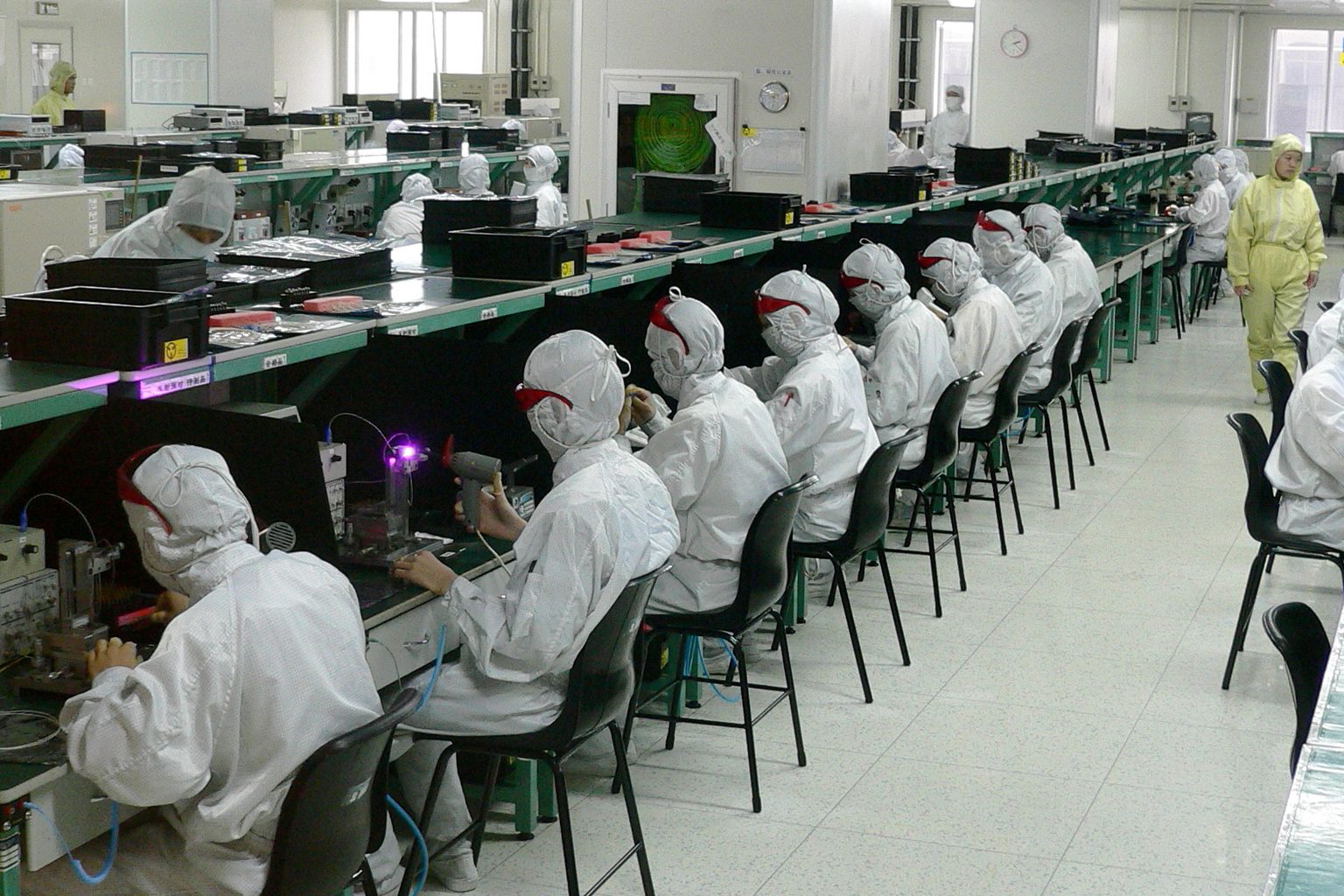
Four desk checks, in a fixed order, that show whether the company you are about to pay exists, trades under the name that will appear on your invoice, and can legally ship your order: the registration record, the four names that have to match, the public behaviour record, and the certification claims worth testing - plus the three things no desk check can tell you.

A factory audit answers one question: can this plant make your product, at your volume, under controls it can prove? The 12 checks that carry most of that answer, the document behind each one, what a half-day visit can never tell you about a supplier, and the four clauses to put in the purchase order before the deposit moves.
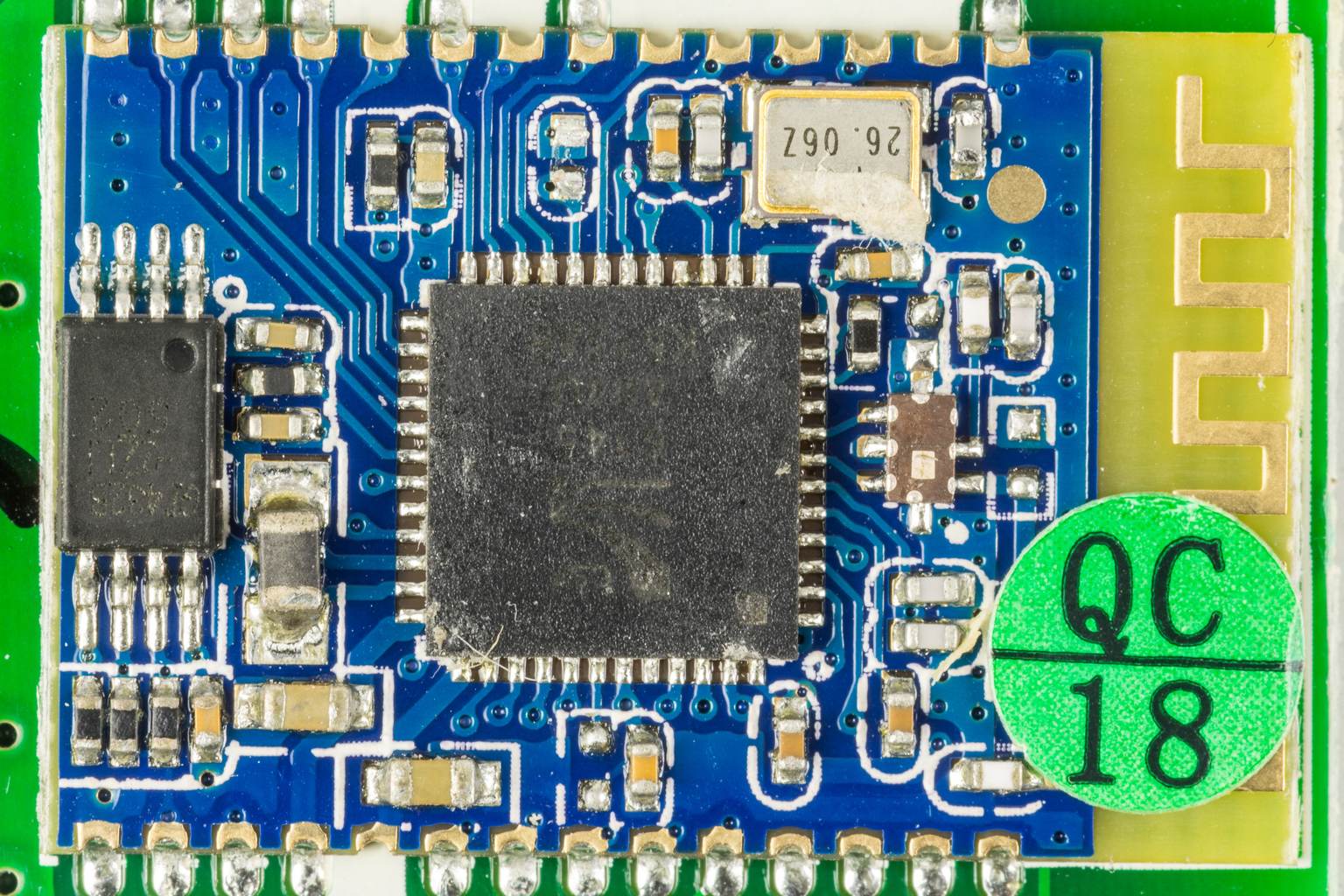
The codec decides how much music survives the trip from phone to earbud, and the phone decides which one runs. What SBC, AAC, aptX, LDAC and LC3 actually cost you in bitrate, latency and chip licence, where the spec sheet stops being true, and the six questions to put in an RFQ before you print a codec logo on the box.
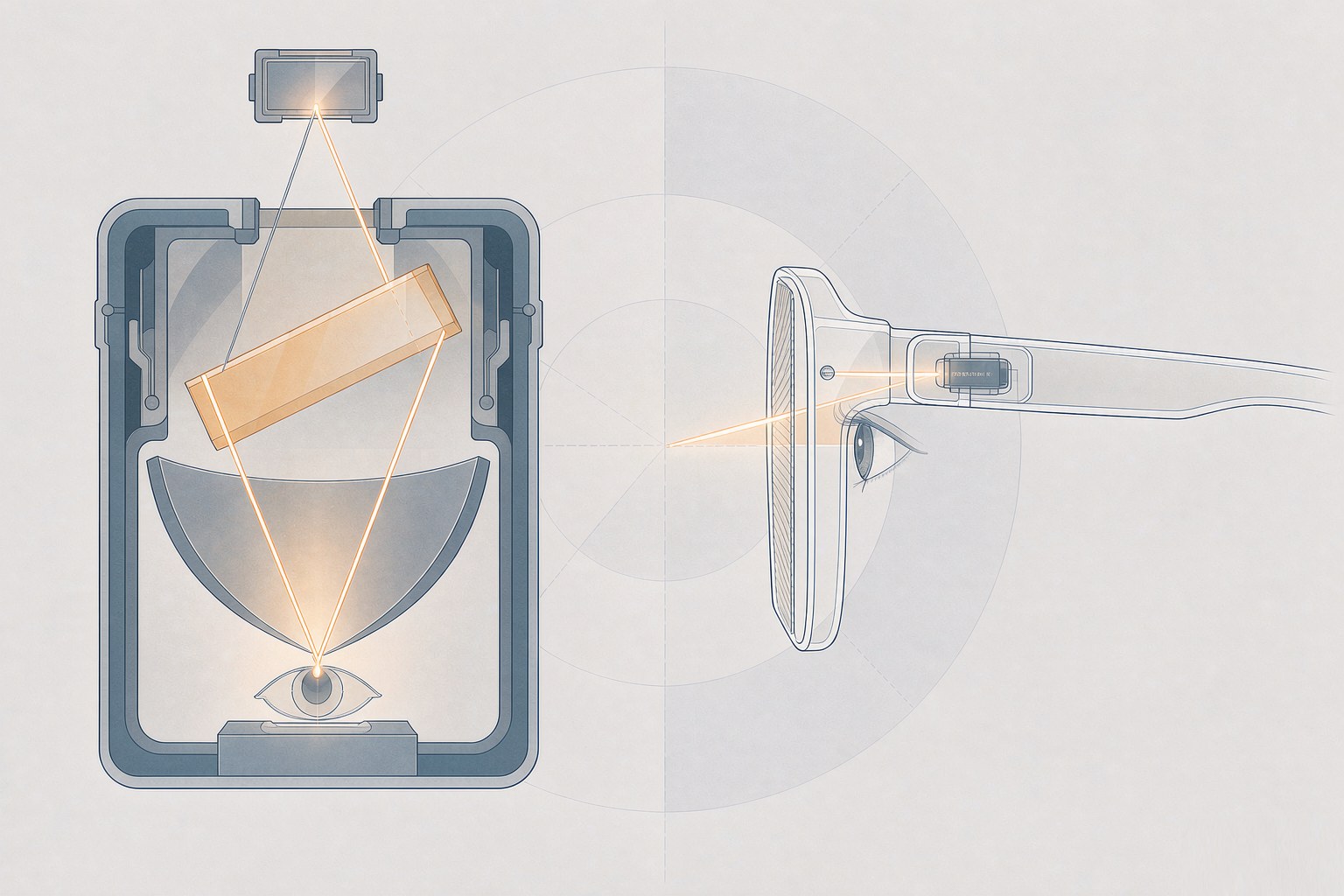
A birdbath gives you a brighter, wider image inside a module about 25 mm thick that blocks three quarters of the light. A waveguide gives you a 1-2 mm plate that looks like ordinary eyewear, and charges you with a light engine bright enough to survive losing most of its output. What each architecture really delivers, how to read the brightness numbers, and the six questions to put in an RFQ before you cut tooling.
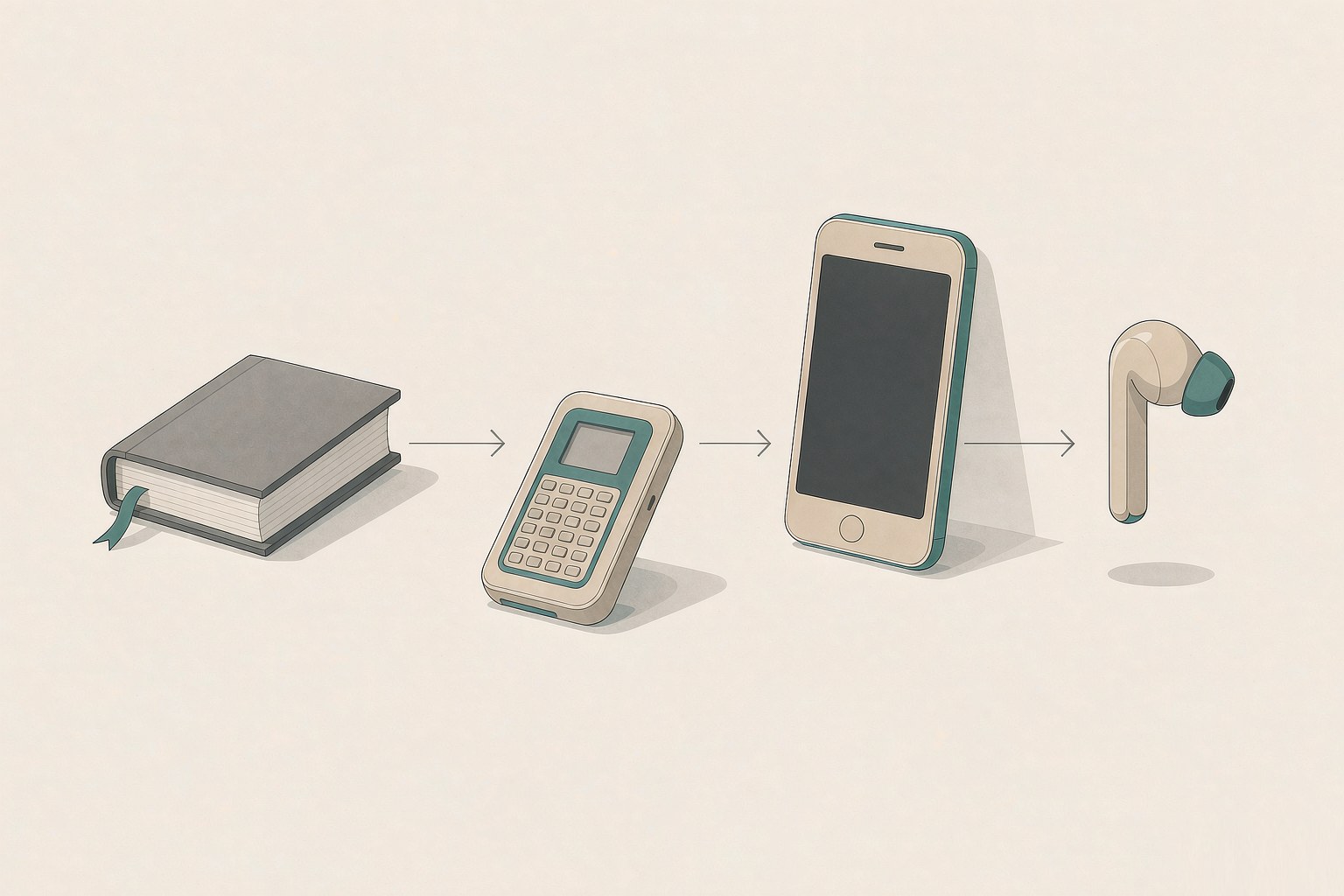
Every translation device since 1978 has been fighting the same three problems — where the words are stored, who does the listening, and how long the other person waits. What the Lexicon LK-3000, Franklin's keyboard decade, the phone app and the AI earbud each actually solved, and the five specifications that decide whether a translation earbud is any good.

An MOQ of 1,000 pcs is not a machine limit, it is an arithmetic threshold — the point where tooling, component reels, print plates, certification and line changeover have enough pieces to divide into. What each of those floors really is, the six levers that move the number, and the three requests that never work.
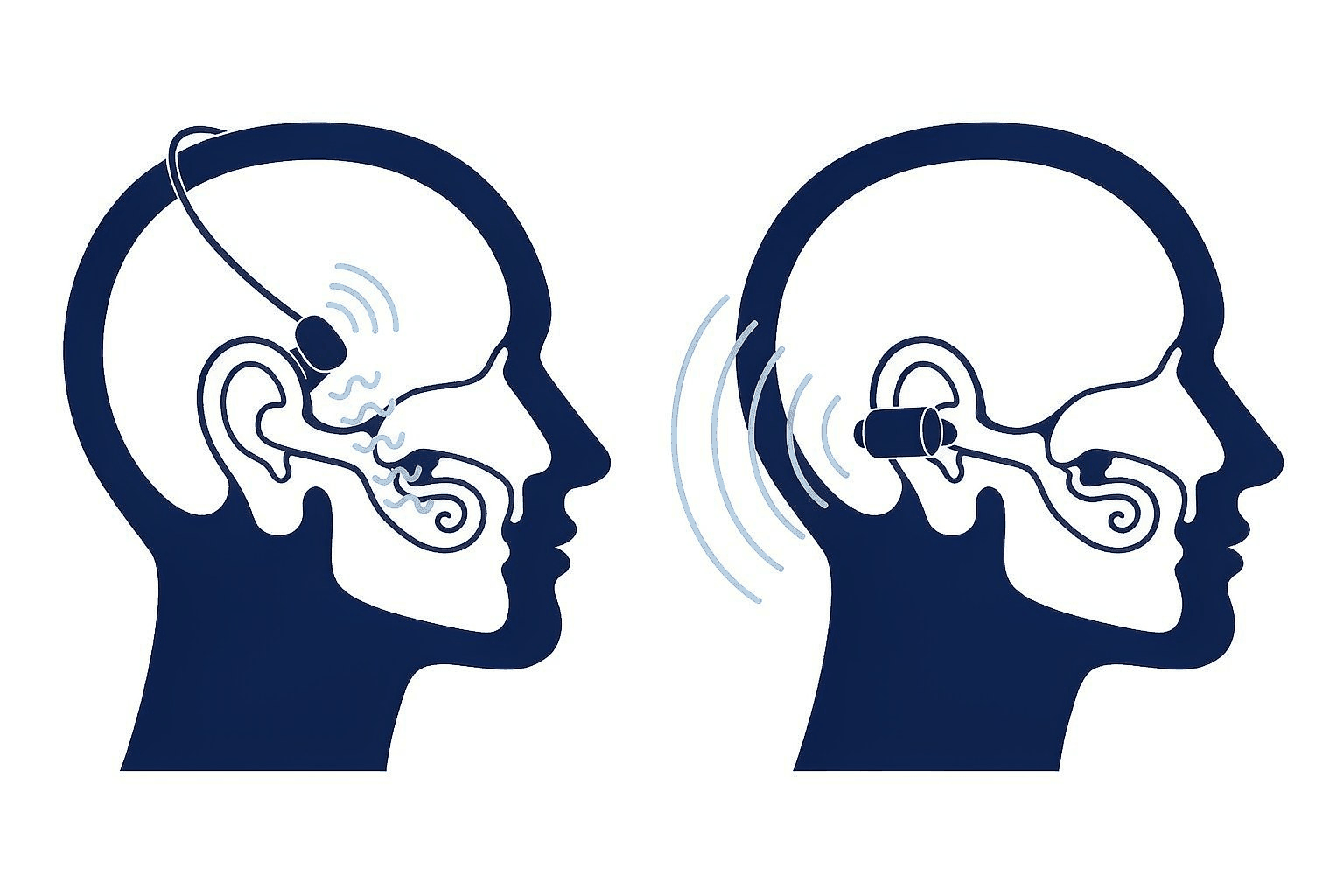
Bone conduction skips the eardrum and survives water, but has no usable output below roughly 100 Hz — and no tuning fixes that. Air conduction gives you bass, but leaving the ear open costs you the seal. What each path can physically deliver, the numbers worth putting in an RFQ, and a decision rule by customer type.
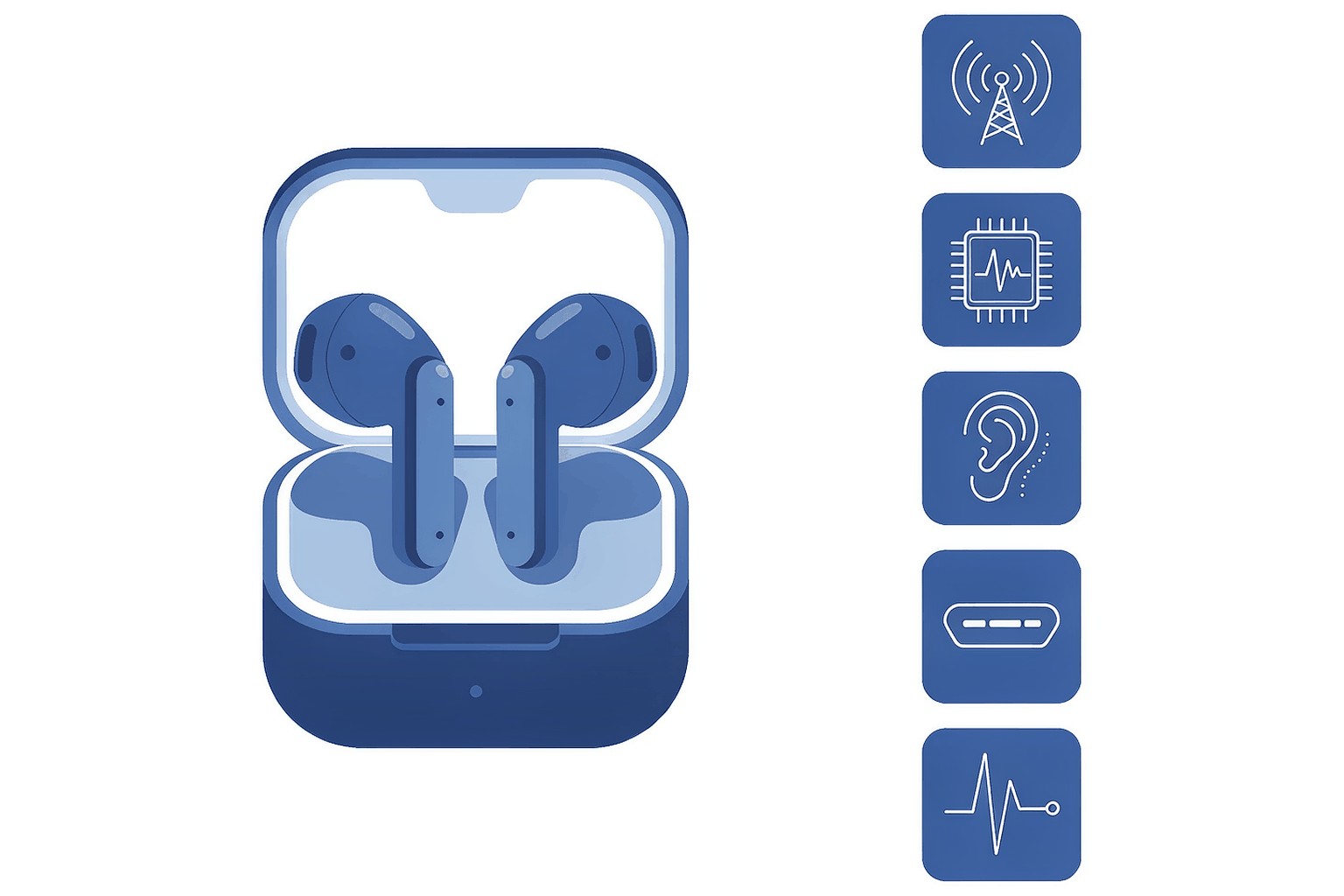
Only two of the five are features. LE Audio stops being a premium line item, the wake word moves onto the bud and takes a quarter of its battery, earbuds drift toward regulated hearing territory, the EU puts the charging case in scope, and health sensors stay hard to verify. Each one with the numbers.
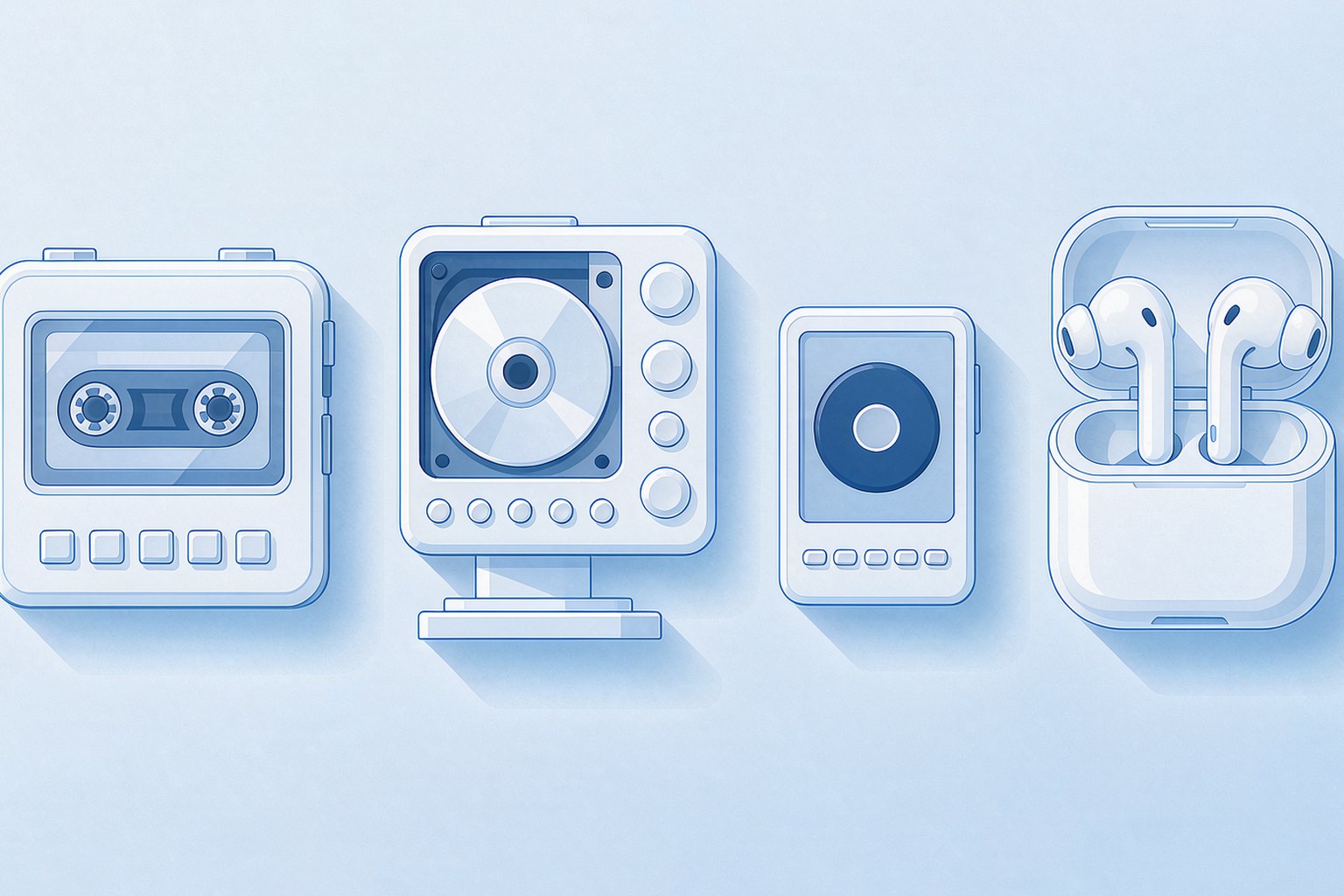
Every generation of portable audio deleted one physical constraint — the media, then the cable, then the second cable — and paid for it with a new engineering problem. What that forty-year pattern tells buyers about TWS, open-ear and translation audio today.
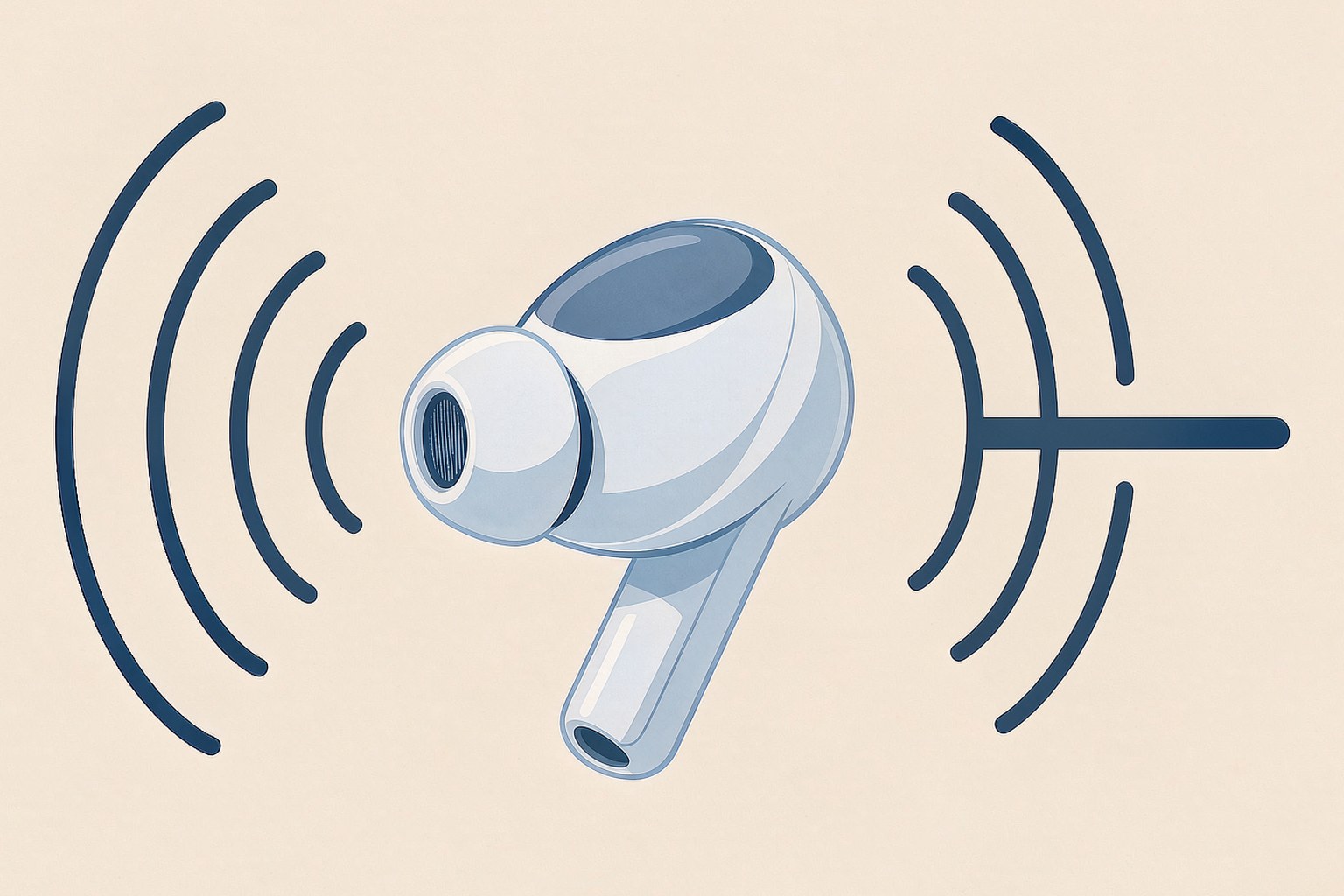
Active noise cancelling inverts ambient sound and plays it back — which is why it crushes jet-cabin rumble and does almost nothing to a conversation. Here is the physics that sets the limit, the three microphone architectures, and how to read an ANC claim before you order.

Ninety days from approved sample to shipped mass production is realistic — but only when tooling, certification and packaging artwork all start on day one. Here is what happens in each stage, and the three places programs actually lose six weeks.
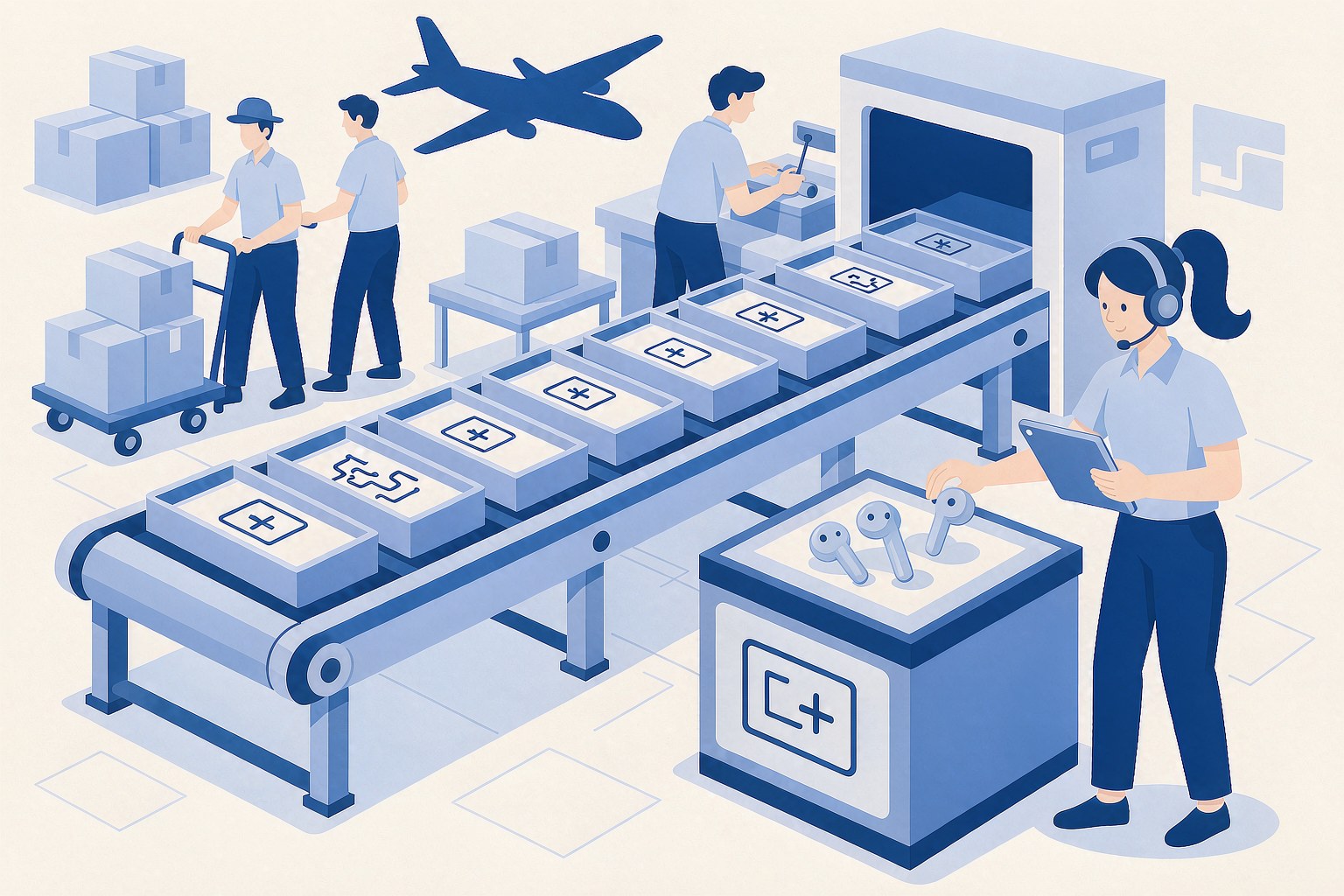
Sourcing from Shenzhen is not one decision, it is six — category, components, tolerances, factory, payment milestones, inspection. How the Pearl River Delta supply chain is actually split, which categories are genuinely hard to build, where cost and risk sit in your BOM, and the six things to look at before you pay.
OEM puts your brand on an existing design. ODM tweaks the design. White-label goes further. Here is how to choose based on your timeline, budget, and differentiation goals.
AQL (Acceptable Quality Level) is the international sampling standard for pre-shipment inspection. This article explains the basics, common tables, and what to actually look at on the report.
AI translation earbuds combine Bluetooth audio with on-device or cloud translation. This guide explains the technology, use cases, and what to look for when sourcing them.
Three different form factors solve the same problem in different ways. Here is a side-by-side comparison to help you pick the right one for your use case.
Send your target product, quantity, and destination market. We usually reply within one business day with a clear next step.
Prefer email? info@besteyehk.com · Call +86-755-33077328 · Mon–Sat 9:00–18:00 (GMT+8)