
MOQ 1000: what it actually includes (and how to negotiate it)
What the 1,000-piece minimum is really paying for — tooling, component reels, print plates, certification and line changeover — plus the six levers that move the number and the three requests that never work.
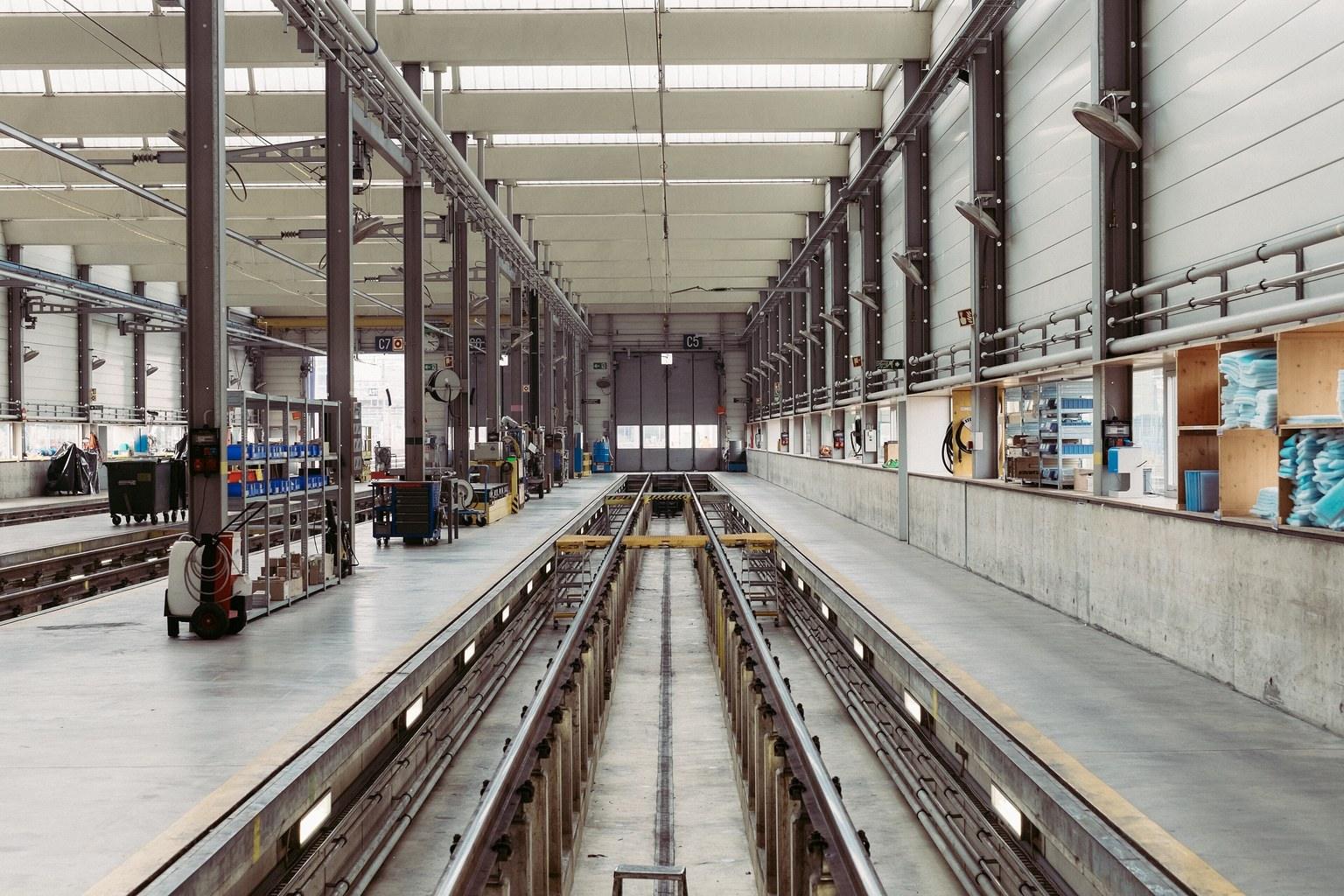
An MOQ of 1,000 pieces is not a machine limit. It is an arithmetic threshold: the point where the fixed cost of making the product — the tool, the component reels, the print plates, the compliance report, the line changeover — has enough pieces to divide into. Halve the order and none of those costs halve with it. And "1,000" almost always means 1,000 pieces of one model in one colour, not 1,000 pieces of whatever you like.
What the 1,000 is actually paying for
Buyers tend to read an MOQ as a sign of how hungry a factory is. It is closer to a balance sheet. Before a single saleable unit exists, somebody has to pay for a mould, a set of print plates, a compliance report, the fixturing, and the changeover time on the line. None of that gets cheaper because your order is small. What changes is the number of pieces it can be divided into.
At 1,000 pcs the fixed cost is thin enough to disappear inside a unit price. At 500 pcs it is visible. At 200 pcs it is most of what you are buying.
So the useful question is not "can you do 500". It is "what is the fixed cost, and who is carrying it". Ask a supplier which single item sets their minimum and you will usually hear "the line". Ask again, and name a part: it is more often a driver with a 3,000-pc minimum, or the box printer. That part is what you are really negotiating with.
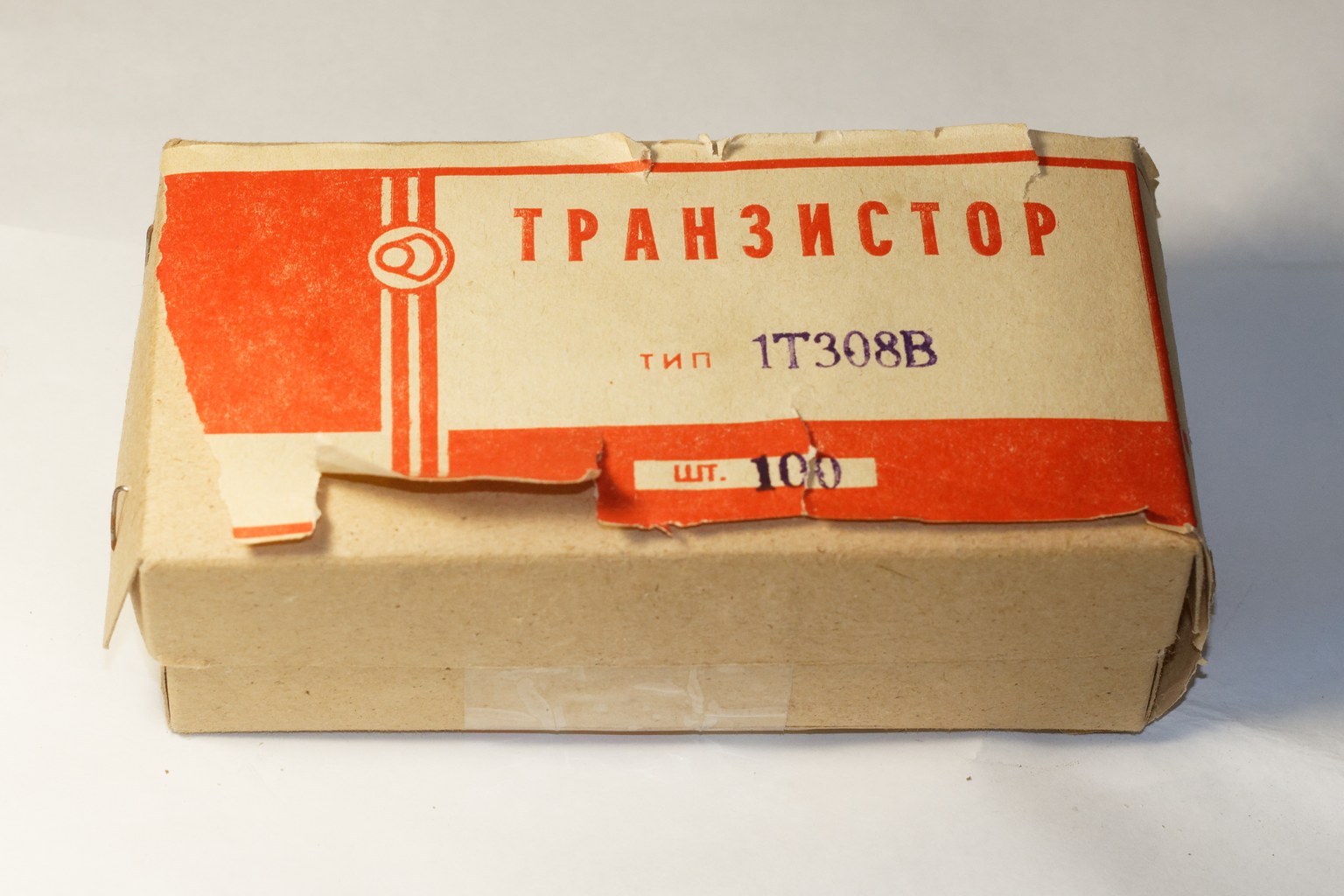
The component floor: reels, tape and boxes of 100

Components are not sold by the piece. Surface-mount parts ship on reels in fixed counts. Several ICs come in trays of a few hundred. Lithium cells arrive cartoned in multiples set by the cell maker, not the assembler. A driver tuned to a specific acoustic target often carries a minimum of 3,000 pcs before the assembler has quoted you anything at all.
Which produces a situation most buyers never see. When a factory quotes an MOQ of 1,000, they may already be buying 5,000 of something and holding the balance. Your order is not the only quantity in the room — and on a long programme, that stock position is why some suppliers can flex and others genuinely cannot.
There is a warehouse detail worth knowing too. Tape-and-reel is the only format a pick-and-place machine can be fed with, so a reel that short-ships by 30 pcs does not leave you 30 pcs short. It leaves you waiting on a new reel, and the lead time is measured in weeks. Counting reels on arrival is a cheap habit.
The tooling floor: one tool, many shots
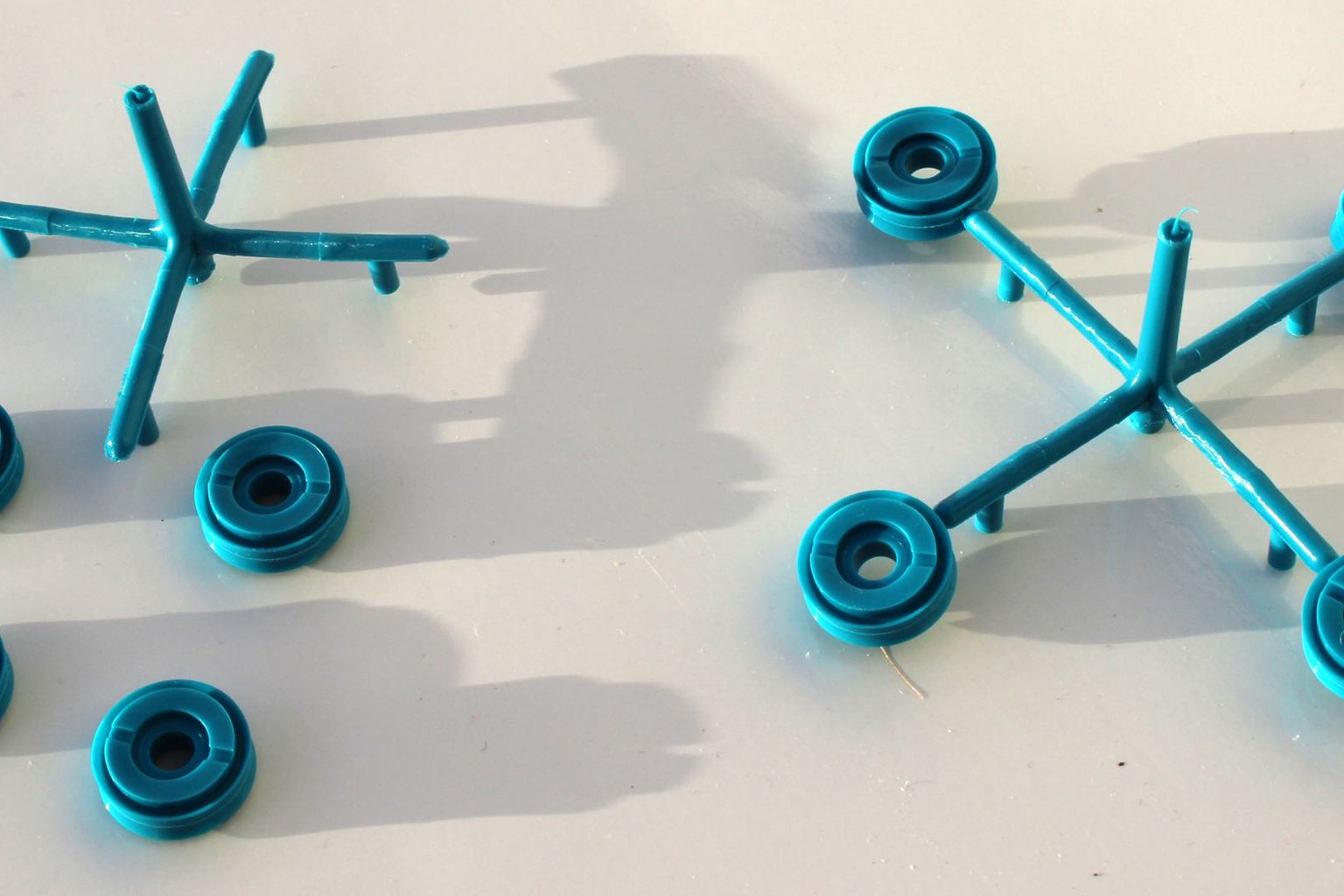
The tool is the largest single fixed cost in most plastic products, and it exists before the first saleable part does. An injection tool for a small housing typically takes 15–25 days to cut and test, and the first shots off a new tool are never production-ready — steel gets adjusted, and each adjustment cycle costs days.
Cavity count is the part buyers get wrong. A single-cavity tool makes 1 part per cycle. A 4-cavity tool makes 4, and costs more to build, more to maintain and more to change later. On 1,000 pcs you will never recover the extra cavities. On 30,000 pcs a single-cavity tool becomes the bottleneck you argue about every quarter.
One structural point decides a large share of MOQs. If tooling is bundled into the unit price, the factory has to recover the whole tool inside the first order — that is what a minimum of 1,000 partly is. Ask for the tool as a separate paid line. Two things often follow: the unit price barely moves, and the minimum drops.
The packaging floor: plates, not pieces
Packaging is the critical path buyers plan last, and the one that most often pushes an MOQ above what the assembly line actually needs.
- A printed colour box needs a cutting die and one plate per print colour. A two-colour foil design is four pieces of tooling before the first box exists.
- Offset printing on folding cartons typically starts at a press run in the 1,000–3,000 range. Digital printing can go down to 100 pcs, at several times the unit cost.
- Saddle-stitched manuals are usually quoted from 1,000–2,000 pcs. A standard manual with a printed sticker on the cover avoids the whole problem.
- Barcode and UPC labels are the exception — thermal printing killed that minimum a decade ago.
We had a client who approved a rigid gift box with two foil colours, then asked whether 400 pcs was possible. The box printer came back within a day: yes, at roughly twice the per-box cost of a 1,000-pc run. The quantity was never the problem. Two foil plates divided by 400 is simply not the same number as two foil plates divided by 1,000.
The compliance floor
Compliance is a fixed cost attached to a model, not to a quantity, and that matters most on small orders. A CE, FCC and RoHS report set is commissioned once. A colour change rarely invalidates an EMC result; a different radio module or a different cell usually does. UN38.3 is tested per cell type, so a cell that already has a report can be reused.
This is why a 500-pc trial that needs its own report is rarely the bargain it looks like: the same fixed cost, spread over half the pieces. That is arithmetic, not stubbornness.
Six levers that actually move the number
None of these are tricks. Each one removes a fixed cost from the first order, which is the only reason an MOQ exists in the first place.
| Lever | What it changes | What it usually buys |
|---|---|---|
| Pay for tooling as a separate line | Takes the tool out of the first order's recovery | 1,000 pcs → 500 pcs |
| Choose a standard colour | Removes custom paint and masterbatch batch minimums | 1,000 pcs → 300–500 pcs |
| Accept a longer lead time | Lets the factory slot your run alongside an existing one | 1,000 pcs → 500 pcs |
| Put two SKUs on one platform | Counts the batch across both variants | 500 + 500 accepted as 1,000 |
| Commit to 3,000, ship in stages | MOQ measured against the forecast, not the first shipment | First delivery at 1,000 pcs |
| Start from an existing certified platform | Skips new tooling and a new compliance report | 500 pcs, with no new report |
Three requests that never work
Each of these gets a yes often enough to be dangerous, and the yes always costs something.
- 200 pcs on a brand-new custom shell. If a supplier agrees quickly, the useful follow-up is: which tool are you planning to use? It will not be one that was cut for you.
- Four colours inside 1,000 pcs. Paint and masterbatch batches are per colour. Four colourways of 250 pcs each sit under the batch minimum, and the quotation will show it — usually as a per-colour charge that makes the smallest colourway the most expensive one in the box.
- Asking for the 10,000-pc unit price on a 1,000-pc order. You may get it once. It will not survive the second order, and the correction tends to land exactly when you are quoting your own customers.
Our stance
Do not treat an MOQ as an obstacle to argue past. Treat it as a readout of which fixed costs your project has not yet amortised — that tells you where the money is, and usually where the real bottleneck is.
Do not ask for a 200-pc trial on a custom tool and expect the mass-production price to be honoured later. Either pay for the tool, or build the trial on a platform that already exists.
And do not hide your real first-year volume. Factories price and schedule against it. Discovering in month four that you need 12,000 pcs changes the price and the calendar, and by then you have already promised a date you cannot move.
The arithmetic to do before you ask
Four answers settle almost every MOQ conversation: your realistic first-year volume, how many colourways you actually need, whether you will accept a standard colour, and whether you will pay for the tool as a separate line. Suppliers move when some of those answers are yes. They do not move when all four are no.
Once the quantity is agreed, the rest of the programme — tooling, EVT, DVT, PVT, certification and inspection — is covered in the 90-day OEM timeline.
Working out the right first order?
Send us the product, the target market and your realistic first-year volume. We will tell you which fixed costs are driving the minimum, and which of them you can take out — without committing you to a quantity you cannot sell.
See our OEM / ODM services →