
Factory audit checklist: 12 checks that predict a bad batch
The buyer's version, not the auditor's: what to look at on the floor, the document behind each check, and what a half-day visit can never tell you about the supplier you are about to pay.
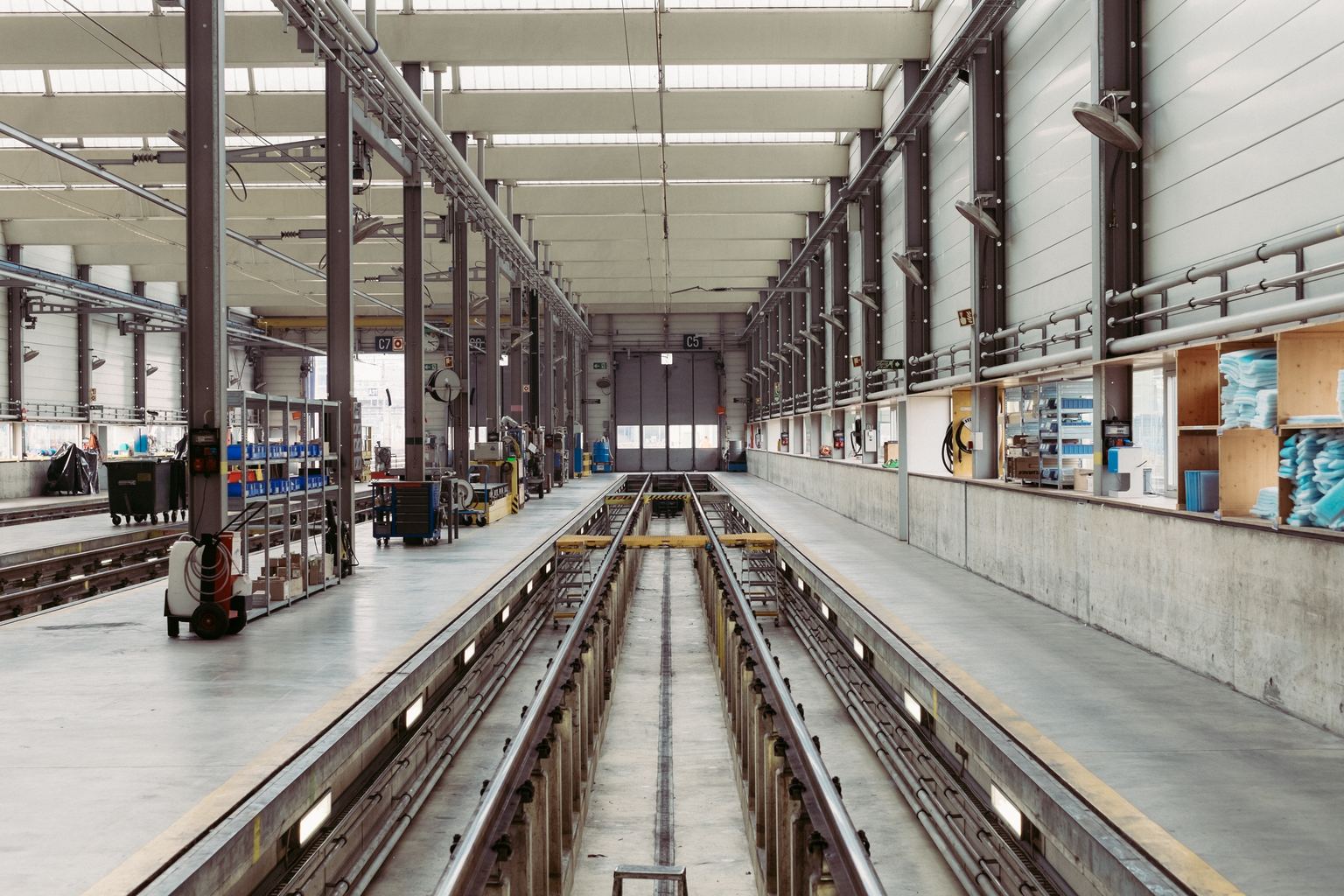
Header photo: Samuel Zeller / Wikimedia Commons, CC0
A factory audit is a site visit that answers one question: can this plant make your product, in your volume, under controls it can prove? Twelve checks carry most of that answer, and every one of them ends in a document or a walk rather than a conversation. What no audit can do - at any price, with any auditor - is tell you whether the same plant will still be able to do it on your fourth order.
Most audits fail for a boring reason: they are run as a questionnaire. "Do you have an incoming material inspection process?" has exactly one answer in every factory you will ever visit, and you already know what it is. So the checks below are written the other way round. None of them can be answered with a yes.
Three different checks, constantly confused with each other
A factory audit is not an inspection, and the two are sold as if they were the same thing. They are not, and knowing which one you are buying changes what you should spend on it.
A factory audit asks whether the supplier can make the product. It happens before, or outside, a specific order, and it is about the plant rather than the goods.
A during-production check (DUPRO) asks whether this batch is being built correctly while the line is still running, which is the only moment when catching a defect is cheap.
A pre-shipment inspection or PSI asks whether the finished, packed goods match the approved sample, typically at the point where the balance payment is still yours to hold.
Buyers who skip the audit and buy only inspections are paying to count defects they could have avoided by choosing a better plant. Buyers who rely on an audit and skip inspections have verified the kitchen and never tasted the food. If this is a first order, a new product or a new plant, the audit is where your money goes first. If it is a repeat order on an unchanged product, the audit is largely a formality and the mid-production and pre-shipment checks are the ones that will save you.
The 12 checks
They group into four questions, in the order a suspicious buyer should ask them. The whole visit is realistically half a day at the plant, plus travel.
1-3: Who is actually going to make it
These three take under 3 hours and cost nothing. They are about identity, because the most expensive sourcing disasters are not quality failures at all - they are identity failures.
- 1. Licence scope. Ask for the unified social credit code, then look it up live on the national credit system (gsxt.gov.cn) while you are sitting there, rather than accepting a PDF from the sales folder. What you are reading is the registered scope: if it covers trade only and not production, the entity in front of you is not the entity that will build your order. That is not automatically fatal, but it changes what you are buying - a trading company's promise rather than a plant's capacity.
- 2. The receiving account name. The account you are asked to pay must carry the name on the licence. Not a director's personal account, not a relative's company, not a "group finance" entity with a different registration number. A mismatch is the single most common fraud vector in cross-border sourcing, and there is no legitimate commercial reason to route a deposit through a third party. If it does not match, stop the payment and start again with someone else.
- 3. The address on the licence is the address you are standing at. Compare the full address string, not the city. Then ask the plant manager to draw the floor plan on a piece of paper: production, warehouse, incoming materials, finished goods, QA. A plant claiming space it does not have usually cannot draw it twice the same way.
4-6: Whether the plant can make your product, at your volume
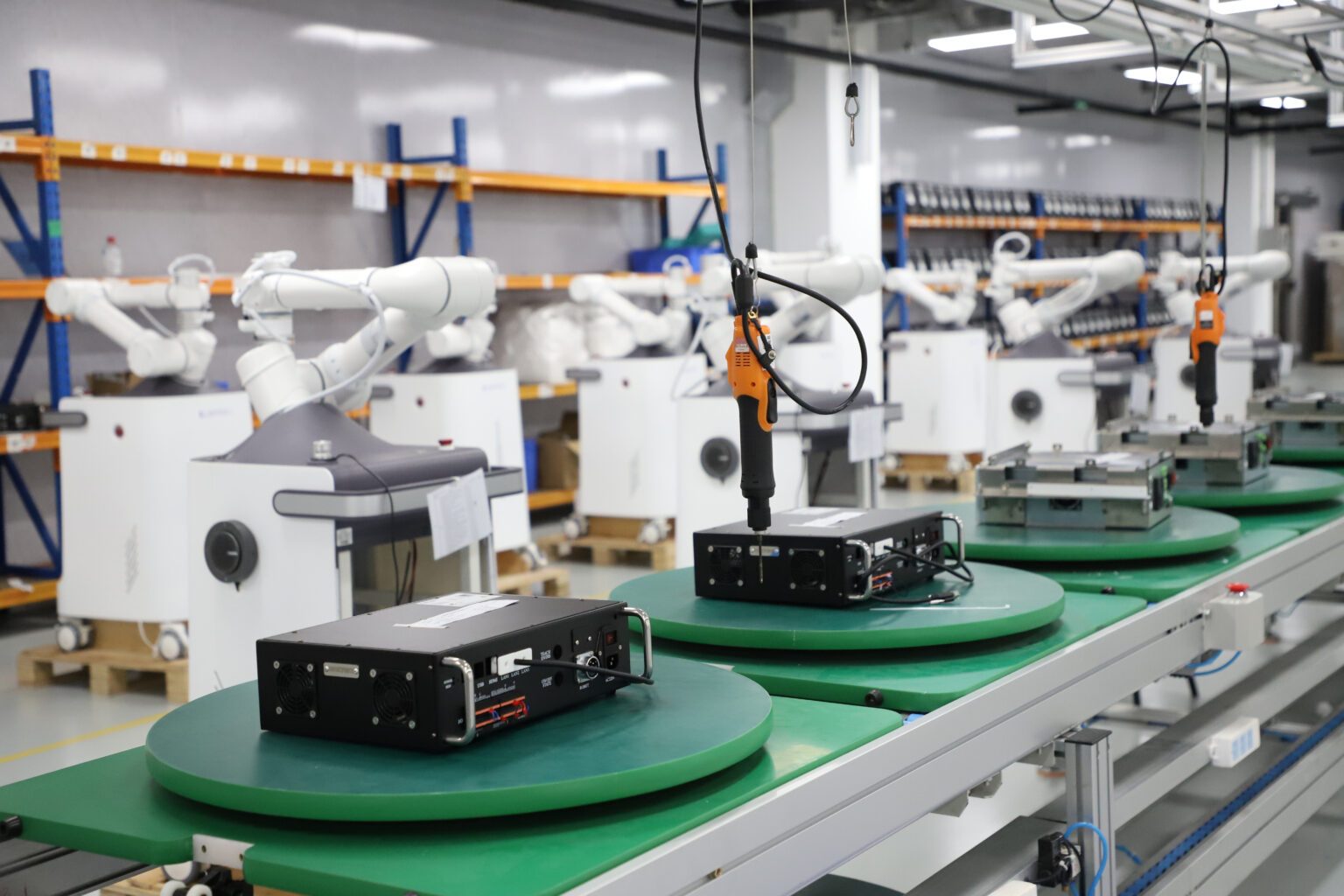
- 4. The machines on your route are running. Ask for the process route first - the ordered list of steps your product passes through - and then walk it in that order. The question is never whether the equipment exists, it is whether the machines on your route are moving today. A line under a tarpaulin is capacity that exists on paper only, and empty trolleys between two stations usually mean the second station is decorative.
- 5. Capacity arithmetic that closes. Take the monthly output figure and make them show the arithmetic: stations, cycle time, working hours, shifts. Two shifts claimed on a floor with no evening trace in the canteen is an ordinary exaggeration, not a crime - but you should know which number is real. Then ask what your order displaces. A plant that cannot tell you what it would push aside to build your 2,000 pcs does not have spare capacity; it has a sales target.
- 6. What leaves the building. Every subcontracted process is a place where your specification can change without anybody signing anything. Ask for the list: SMT, injection moulding, plating, anodising, laser engraving, printing, battery pack assembly, packaging. Undisclosed subcontracting is the most common origin of the sentence "the second batch was different", and the fix is a written list plus a rule that no process moves without written notice.
7-10: Quality control you can actually see
- 7. Yesterday's incoming material record, filled in. Ask for the sheet from last week, not the procedure document. A quality manual is a description of intent; the record is evidence that anything happened. Look for a date, a part number, a result and a signature, in that order.
- 8. The approved sample, reachable from the line. A sealed, dated golden sample that the line supervisor can put in your hand inside a minute, with the specification version written on it. Every factory can produce a sample for a buyer visit. The tell is where it lives: if it is in the sales office rather than at the station that has to match it, the production floor is working from memory.
- 9. The sampling plan is a number. Which standard, which inspection level, which AQL - and therefore what sample size and what accept and reject counts. The public reference is ISO 2859-1, the sampling standard the inspection industry works to, and its American counterpart, the ANSI/ASQ sampling tables, uses exactly the same arithmetic - the arithmetic behind reading an AQL report. "We check everything" means somebody looks at them. Real 100% testing has a fixture, a unit-per-hour rate and a log, and if a supplier claims it, ask to see the log for the last 48 hours.
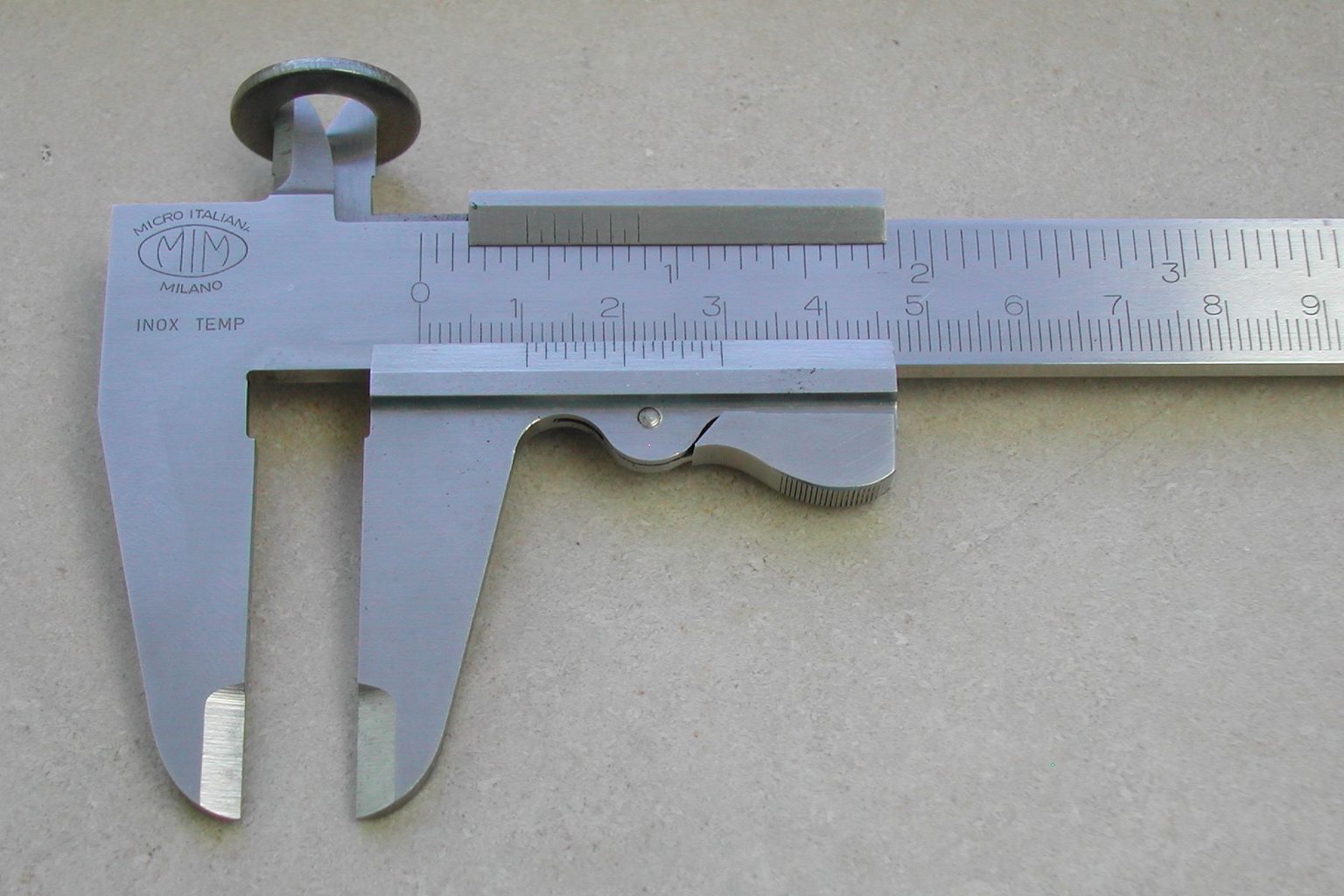
- 10. Instruments are calibrated and the labels are in date. Pick the instrument yourself - take the platform scale in the packing area, not the caliper the guide offers you - and ask for the calibration certificate behind the sticker. Then ask who owns the instrument. Anything borrowed from a neighbour along the corridor is a measurement you cannot rely on when a batch is disputed.
11-12: Compliance and closure
- 11. The certificates name the model you are buying. Open the report and read the four fields that matter: the model number, the manufacturing or production site, the standard, and the issuing laboratory with its date. A CE or FCC folder that covers a different SKU, or that names a trading company where a production site should be, is padding. On anything with a lithium cell, UN38.3 test documentation and the MSDS are not optional extras - without them the goods cannot legally fly, and no amount of factory capability fixes that.
- 12. The last failure, and how it was closed. Ask what went wrong most recently, who found it, what was written down, who signed it off, and what changed in the process as a result. Two outcomes are fine: they show you a real failure with a written closure, or they show you that the system is thin and you price that risk in. One outcome is not fine. A factory with no failures on record is not a factory with no failures; it is a factory with no records.
The document behind each check
This is the practical part, and the reason an audit is worth doing on site rather than over email: you can ask for these while standing in the plant, and a competent supplier will produce most of them without leaving the building.
| # | Check | Document to ask for |
|---|---|---|
| 1 | Licence scope covers production | Business licence + live entry on the national credit system |
| 2 | Receiving account name matches | Bank account information on the proforma invoice |
| 3 | The site is the site | Licence address + a hand-drawn floor plan |
| 4 | Machines on your route are running | Process route / flow chart, then a walk in that order |
| 5 | Capacity arithmetic closes | Production schedule with station and shift data |
| 6 | Subcontracted processes are declared | Sub-supplier declaration listing outsourced steps |
| 7 | Incoming material control exists | Last week's incoming inspection record, signed |
| 8 | Golden sample controls the line | Sealed, dated approved sample with its revision |
| 9 | The sampling plan is a number | Inspection plan stating standard, level and AQL |
| 10 | Instruments are calibrated | Calibration certificate for one instrument you pick |
| 11 | Certificates match the model | Test reports naming model, site, standard, laboratory |
| 12 | Failures are recorded and closed | Non-conformance and corrective action log |
What an audit cannot tell you
An audit is a photograph. Production is a film. Four things the photograph will never show you, however well it is taken.
It cannot predict the order. A plant that passes in March can ship a bad batch in September, because a key operator left, a material price moved, or a cost decision was taken in a meeting you were never in. We have seen a factory with a clean record across fourteen orders substitute a cheaper grade of material on the fifteenth - not out of malice, but because the buyer of that material changed and nobody told the customer.
It cannot transfer to another site. If your product moves to a sister plant or a new building, everything you verified is void. This is why the production site belongs in the purchase order, not in an email thread.
It cannot be replaced by a score. Do not use the total. Use the two or three items that touch your product. A plant can score well overall and still fail the one control that decides your return rate, and a plant with correctable paperwork gaps can still be the best technical fit you will find. Write down the reason for your decision, including what you accepted, or the same argument will be re-run by the next person who reads the report.
It cannot be delegated to a form. The audit that finds nothing is usually the one where the guide already knows the questions and the factory already knows the answers. Ask open questions and ask for things. "Show me your incoming inspection process" tells you more than "do you have one", because the answer to the second is always yes.
Here is the position we would take, and it will cost us work if you follow it: do not release a deposit on the strength of a factory tour and a licence. One buyer we worked with approved an order after a visit that looked excellent - modern moulding hall, six SMT lines, a wall of framed certificates. Nobody asked which processes left the building. The silicone ear hooks were moulded at a second site 40 minutes away, which is normal and not a problem by itself. The problem arrived with the second batch, when the second site switched colour masterbatch and 3,000 pcs came off a visible shade away from the approved sample, inside a tolerance nobody had written down. The rework, the re-press and the conversation with their own customer cost three weeks, and the buyer had no document that said whose fault it was.
How to write it into your order
An audit that does not change a document is a day out of the office. Four things belong in the paperwork, and none of them costs a supplier anything except the honesty to sign them.
- Name the production site and the process route in the purchase order. Not the sales office, not the group. The building, the address, and the steps that will be done there.
- Require written notice and re-approval before any change to material, component, artwork, packaging, process or site. This one clause, in a two-line email, has prevented more bad batches than any audit report we have read.
- Tie the balance to a passed inspection. A deposit, and the remainder released only against an inspection report from someone who is not paid by the factory. The point is not the percentage. The point is that a supplier who is confident in the quality has nothing to fear from the clause, and a supplier who refuses has told you something you were going to learn later and more expensively.
- Ask for the evidence as a default, not a favour. If your supplier visits the plant, ask for the visit note and the photographs, not a summary sentence. Evidence that arrives unasked is worth more than evidence you had to fight for.
That last point is worth turning back on us. Ask any supplier to describe the plant that will build your order and to show you the site visit behind that description. If the answer is a list of names and a promise, you have learned something useful about where they sit in the chain. In our own practice the method is public and the list is not: we run on-site visits before we onboard a partner factory, we keep the audit criteria in writing, and the buyer whose order depends on that plant receives the photo evidence. What we do not hand over is the partner list itself. Anyone offering you the opposite - a list of names with no evidence behind it - is offering you the part of the job they can do from a desk.
If you want the rest of the trail rather than the first page of it, the same logic runs through the path from sample to mass production and through what an MOQ of 1,000 pcs actually buys. And if the plant you are auditing is one you have not chosen yet, start with sourcing electronics in Shenzhen.
Planning an order that has to pass the first time?
Tell us the product, the volume and the destination market. We will tell you which of the 12 checks matter most for that product, what the plant has to demonstrate to us, and what you will receive as evidence before your deposit moves.
See how we run an OEM programme →