
DUPRO and PSI: what the two inspection reports actually show
One is a process verdict taken while most of the order is still unmade. The other is a lot verdict taken when the cartons are packed. What each report can prove, which five lines carry the verdict, and what a buyer should read before releasing the balance.
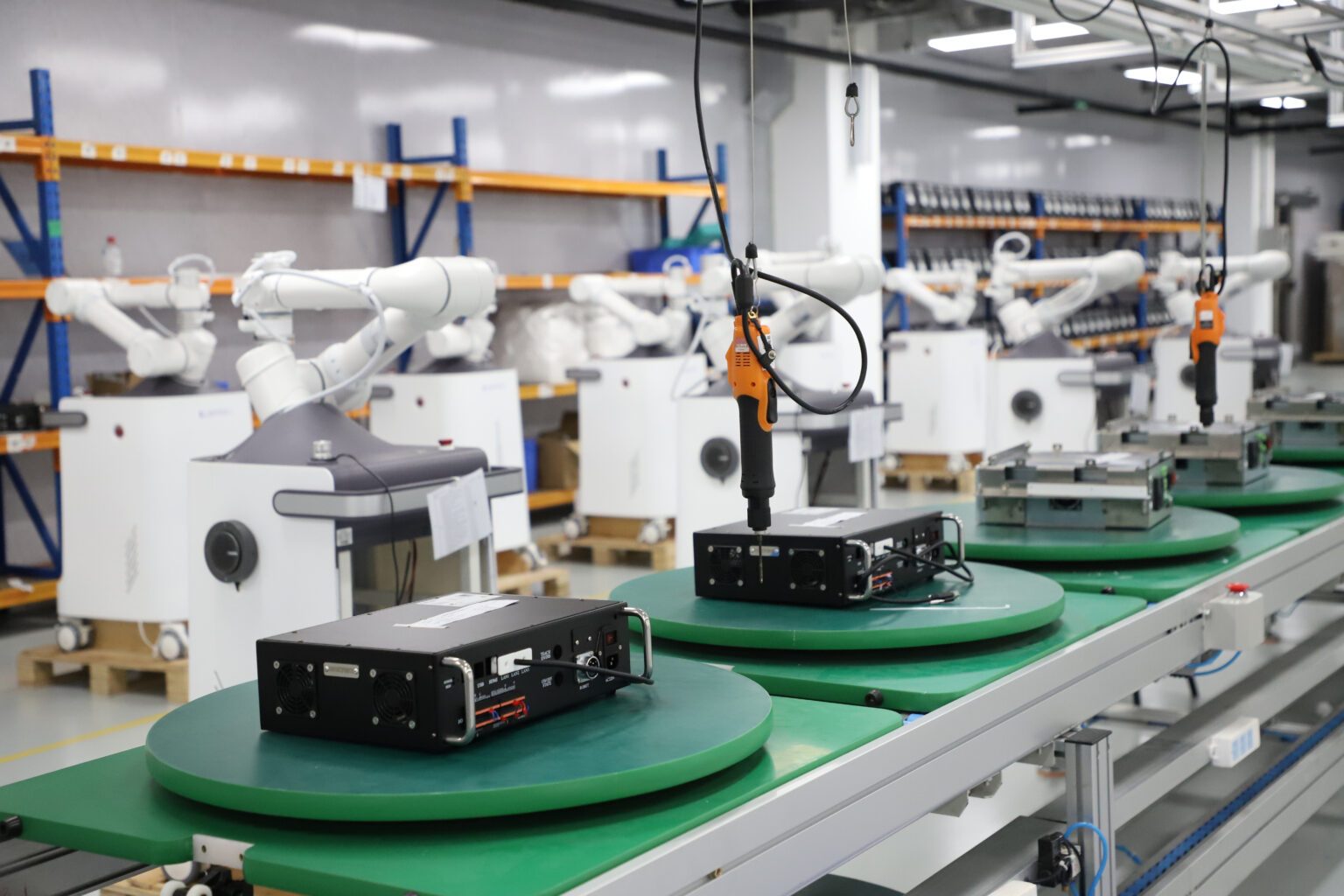
Header photo: Baitutai / Wikimedia Commons, CC0
A during-production inspection (DUPRO) tells you whether the process is making what you approved while most of the order is still unmade. A pre-shipment inspection (PSI) tells you what is inside the cartons on the day the container is booked. They are not two grades of the same check. DUPRO runs when 20% to 40% of finished goods exist; PSI runs when production is 100% complete and at least 80% of the goods are packed. The first can still change the order. The second can only accept, rework or reject it. And the document most buyers file as proof of quality — the certificate — usually contains none of the numbers that make either report worth reading.
Buyers tend to treat both documents the same way: a PDF arrives, the verdict line says PASS, the balance is released, the file goes into a folder nobody opens again. That works until the first container of housings arrives a shade darker than the sample, or a thousand cartons show up with the importer address missing and the retailer refuses the delivery.
Here is the part that costs money. The two reports answer different questions, fail in different ways, and are read by different people inside your own company. Treating them as one document means you pay for both and use neither.
Two checks, two different questions
The timing is not a scheduling preference. It decides what the inspection is allowed to conclude.
| DUPRO (during production) | PSI (pre-shipment) | |
|---|---|---|
| When it runs | At 20% to 40% of finished goods produced | At 100% produced, at least 80% packed |
| What is sampled | Units finished so far, plus the running process | The packed lot, drawn at random from the cartons |
| What it can change | The 60% to 80% of the order not yet made | Only the lot in front of the inspector |
| What it proves | That the process is producing to specification — or is not | That this lot, today, met the sampling standard |
| Typical find | Wrong material batch, wrong fixture, a setting that drifted | Cosmetic defects, missing accessories, wrong labels, short quantity |
Read the third row twice. The difference between the two checks is not thoroughness, and it is not the size of the sample. It is how much of the order can still be changed when the answer comes back. That is what you are buying with the earlier inspection, and it is the only thing you are buying.
DUPRO: the only check that can change the outcome
A production defect is rarely random. The units that fail at the end of a run usually fail for a reason that was present from the first hour: a resin lot that colours differently, a re-made print fixture that sits 2 mm off, a torque driver set to the wrong scale, a firmware build loaded onto the test bench instead of the production one. None of those are caught by inspecting harder at the end. They are caught by looking at the line while it is still running.
That is what a DUPRO report is for. The inspector stands on the floor, pulls units from the finished-goods stack, and then does something a PSI inspector never gets to do: walks back up the line and checks the input. Which resin bag is open at the machine. Which fixture is mounted. What the press recipe says. Whether the units on the bench are being tested against the same firmware the shipment will carry.
We had a European brand on its first run of 2,400 pcs of a small speaker. The DUPRO at roughly 30% found the logo pad-printed about 2 mm low on one side of the housing. The print itself was clean, the colour was right, and the units would have passed any cosmetic check that did not put a steel rule against the datum. The cause was a replacement fixture made the week before. About 1,600 pcs had not been printed yet. The fixture was corrected, the print position was re-measured on the next 30 pcs, and the order shipped on schedule. A PSI three weeks later would have found the same 2 mm offset on 100% of the order, with the vessel already booked and no floor space to rework in.
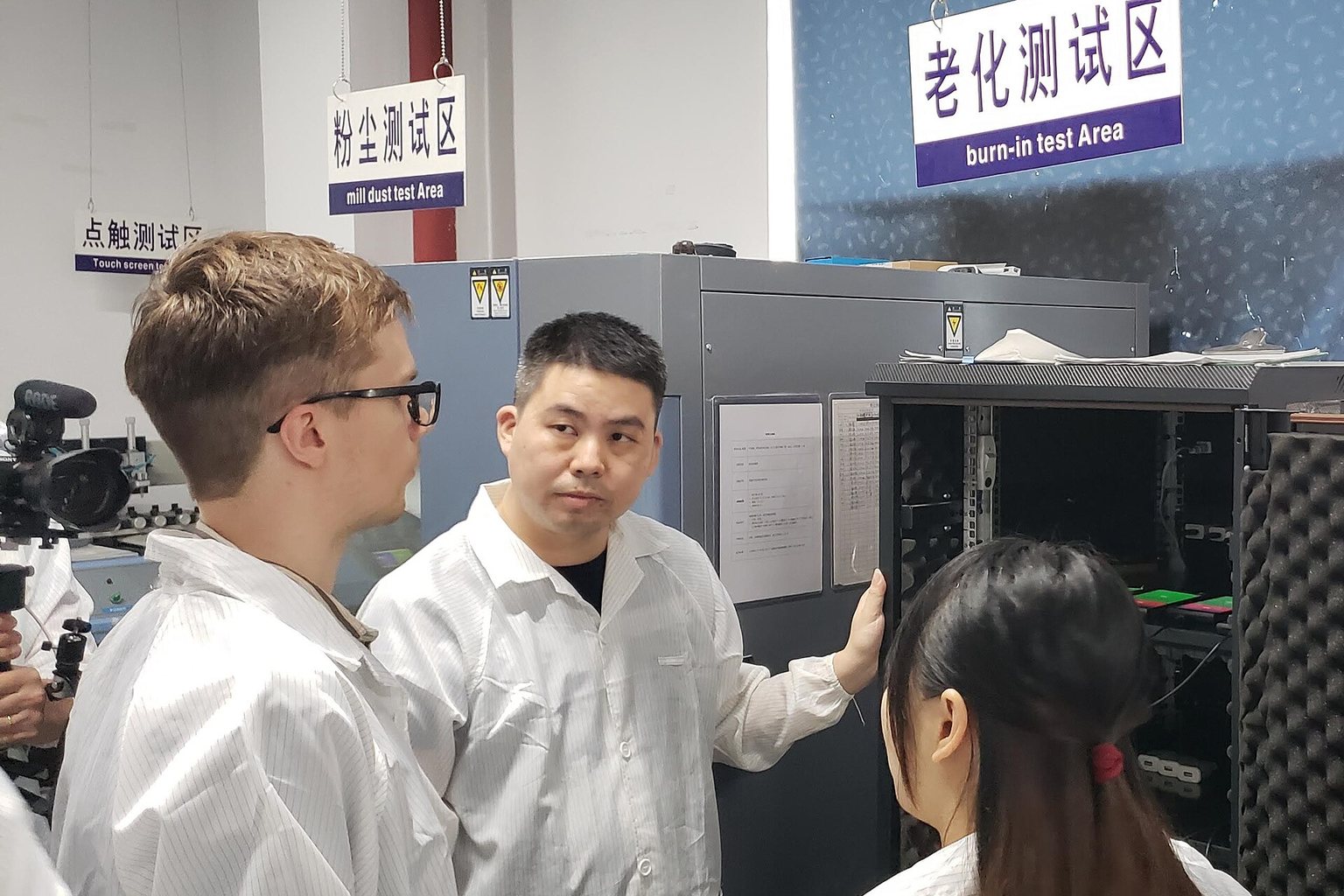
There is a limit worth stating plainly, because it gets missed in almost every supplier conversation. At 30% completion, the "lot" the inspector samples is only the units that exist that morning. The sampling table is applied to that partial quantity, not to the order. So a DUPRO pass is a statement about the process, not a preview of the PSI. A supplier who tells you the DUPRO result means the shipment will pass is telling you they do not understand their own report.
PSI: what it proves, and the 20% it never sees
PSI is the inspection everyone means when they say "we inspect before shipping". It runs when production is finished and the goods are packed, and it covers five areas in a fixed order: quantity against the packing list, workmanship against the AQL limits, function against the specification, packaging integrity, and the marks and labels on the carton.
Notice where the risk sits in that list. On consumer electronics, the product is usually the part that behaves. The carton is the part that fails. A missing country of origin, a barcode that will not scan at the retailer's inbound dock, an inner box that crushes at the bottom of a pallet, a shipping mark with the wrong port — none of these are quality defects in the ordinary sense, and all of them can stop a shipment or trigger a chargeback. That is why the inspection happens after packing rather than before it.
Then the arithmetic of the rule. PSI requires 100% of production, but only 80% packed. The gap is deliberate — inspectors need cartons to pull from, and waiting for the last pallet costs days. The consequence is that final packing, sealing, labelling and mixed-carton assembly are the least inspected operations in the whole order. If your product ships in a display carton with a sticker applied by hand at the end of the line, that sticker is statistically the least verified object you are paying for.
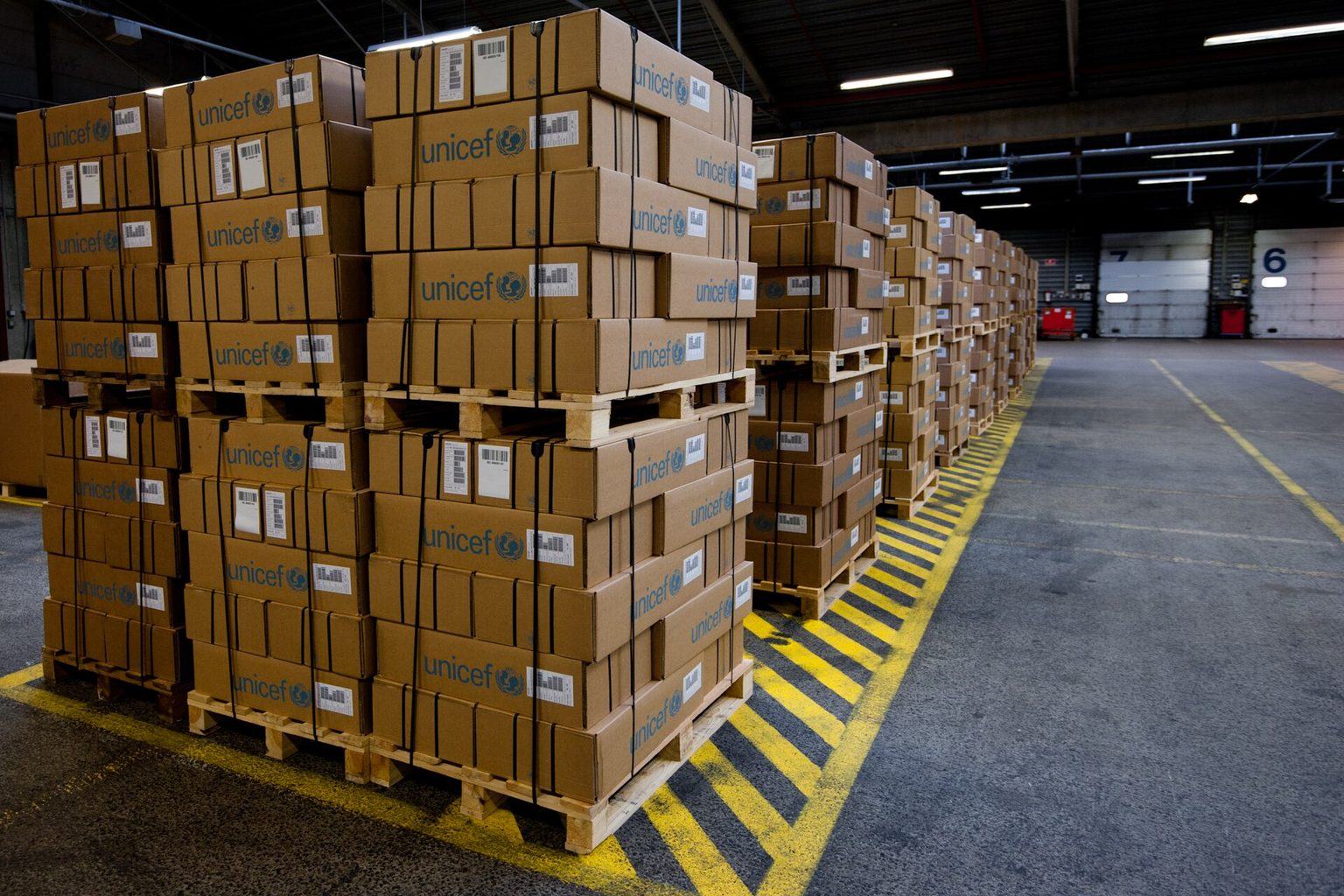
The other thing about PSI that buyers rarely say out loud: the date is known in advance. A factory that wants a clean report knows which week the inspector arrives. The standard countermeasures are unglamorous and they work — pull cartons from the back of the stack and from several pallet positions rather than the three the factory offers, ask for carton-level photographs with the pallet number visible, and keep the arrival window loose rather than announcing a precise hour.
And keep this sentence in mind when you read the verdict: a PASS means the sample passed. It does not mean the lot is free of defects, and it does not mean the defects that were found were the only ones. On a lot of 3,000 pcs at general inspection level II, the sample is 125 pcs. At an acceptance limit of 2.5, up to 7 defectives in that sample still produce a pass. Seven out of 125 is not a clean lot; it is a lot sitting at the edge of what you agreed to accept.
The five lines that decide whether a report means anything
Reports from different agencies look different and carry the same skeleton. If you read nothing else, read these five blocks, in this order.
- Lot identity. Purchase order number, model, lot size, factory name, inspection date. This is the block most often copied from the previous report and left half-edited, because the template saves time. Check the model and the quantity against your own paperwork before you read a single result. A report describing someone else's lot is not evidence about yours.
- Sample size and how it was drawn. The figure has to follow from the lot size and the inspection level, and the report should say the sample was drawn at random across the lot. A sample of 125 pcs on a 1,201 to 3,200 pcs lot is the general level II figure; if your report shows a different number, there is a reason and it belongs in writing.
- The defect log with counts against the acceptance numbers. Not the summary — the log. Every defect should carry an identifier, a classification (critical, major, minor), and a count that is compared with an acceptance and rejection number. At an acceptance limit of 2.5 on that same lot, the pass line is 7 defectives and the fail line is 8. If the report shows 7 and says PASS, you are buying a lot that scraped through.
- Photographs with a scale and a defect ID. A photo of a scratch with nothing beside it for size is decoration. You want the defect number from the log to appear in the photo, a rule or a reference object for scale, and enough context to know which face of the part you are looking at.
- Verdict, signature, inspector identity, date. Plus one more thing that is often missing: whether the inspection was performed by the agency's own staff or witnessed by them at the factory's testing station. Those are different services with different weight.
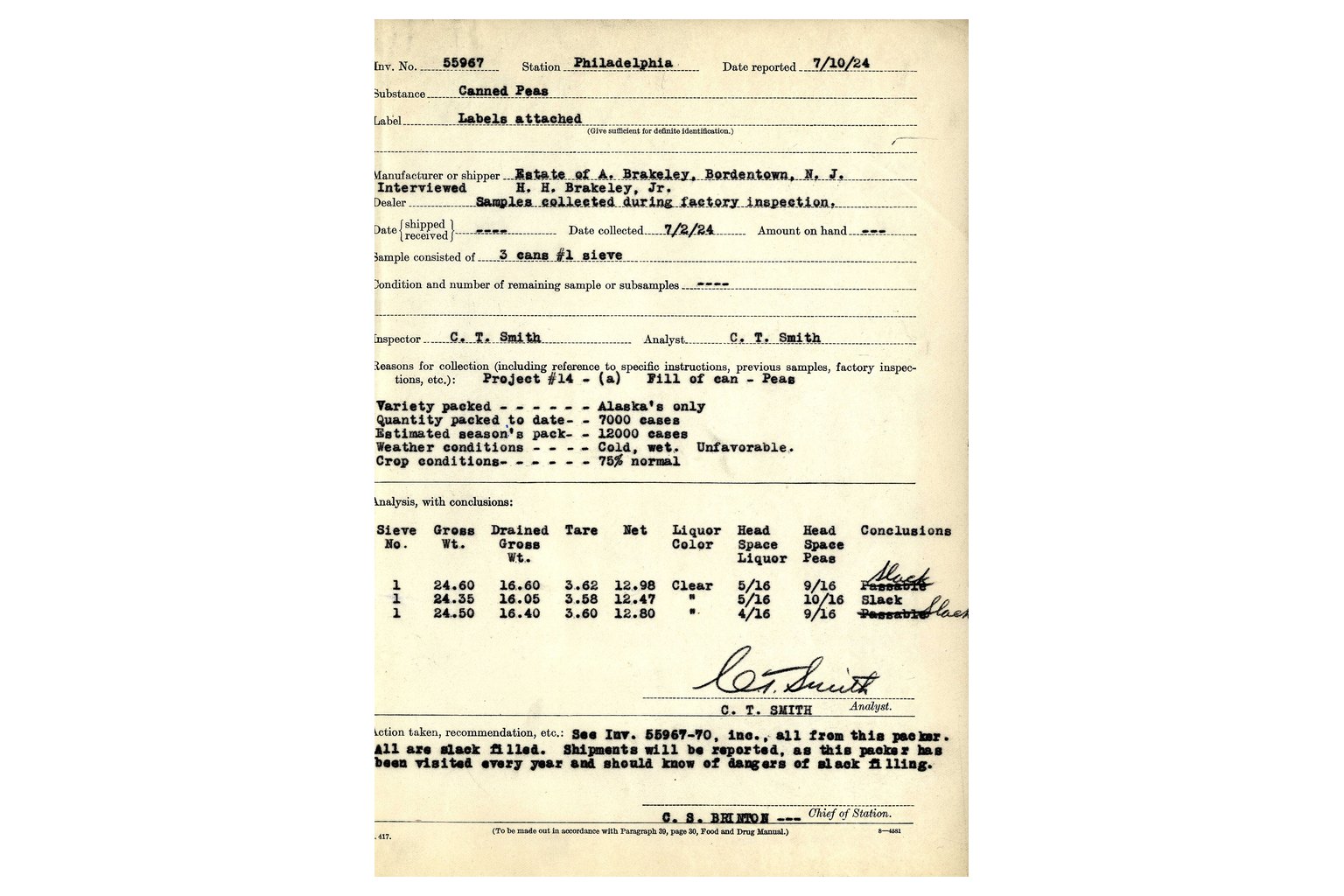
If dimensional checks were in scope, the report also needs the measurement data — which dimensions, which instrument, how many pieces. A line that says "dimensions OK" is a line you cannot audit later, and it is the line most often left as a summary.
Where a report quietly stops being true
Most bad outcomes do not come from a forged report. They come from a report that was accurate on the day and stopped describing the goods afterwards. Six ways that happens:
Rework after the inspection. The report describes the lot as it stood at 10 a.m. If 300 units were sorted and re-sealed that afternoon, nobody inspected the repaired ones unless somebody paid for a re-inspection. Put a re-inspection clause in the order and treat any rework as a trigger for it, not a favour to request later.
A sample drawn from the front of the warehouse. Cartons near the door are the easiest to reach and the easiest to prepare. Random selection means random positions, and the report should say so.
Rows marked not applicable. The drop test box, the barcode scan box, the country-of-origin box — three lines that get ticked as N/A on a report that was otherwise thorough. On a consumer shipment these are frequently the three that matter.
A verdict without the underlying numbers. Some reports give a percentage score or a star rating instead of counts against acceptance numbers. A score cannot be argued with. A count can.
One report covering several purchase orders. If the factory consolidated two orders into one inspection, the lot identity no longer matches your PO. Split lots are legitimate, but they need to be declared at booking, not discovered at the bottom of the report.
A factory-issued report presented as independent. A supplier's own QC sheet, however detailed and however good the factory, is a self-declaration. It is worth reading — it tells you what they think quality means — but it is not third-party evidence, and it should not release your balance on its own.
A certificate is not a report
This one causes real delays because it surfaces at the worst moment: the bank or the customs broker asks for a certificate, and the buyer sends the inspection report instead.
A report is the evidence trail. It says what was checked, on how many pieces, by whom, with what result. A certificate is an attestation issued for a purpose: clearance in a conformity programme, a letter of credit requirement, a destination-country scheme. Many certificates carry no sampling data at all, no defect counts, and no statement about the lot beyond the fact that an inspection took place. Both are legitimate documents. They are not substitutes for each other.
Two practical consequences. First, certificates take longer than reports — often 5 to 7 days after the inspection while the file is reviewed, which has to be planned into the shipping calendar rather than discovered during it. Second, if a certificate is what your bank needs, say so at booking. Agencies run these as separate services with separate paperwork, and asking on the day the container is loaded turns a routine step into a rolled booking.
A factory's own "certificate of inspection" is a third thing entirely. It is a letter on their letterhead confirming they inspected their own goods. File it if you like. Do not confuse it with either of the above.
The sequence, and what to put in the purchase order
None of this works if the inspection is arranged after the goods are ready. The calendar is the control.
- Book 3 working days before the date you want. Inspectors need to confirm access and the factory has to have goods to show. Last-minute bookings are where the "we could not get anyone" delays come from.
- DUPRO at roughly 30% completion, tied to the factory's production report rather than to a date on your calendar. Ask them to tell you when they cross the threshold, and book from that message.
- PSI after packing, before the container is booked. Not after the booking, and never on loading day. If a PSI fails on loading day you have two bad options: ship defective goods, or pay for a rolled booking.
- Hold the balance until PASS. This is the clause that gives the report its authority. Without it, the report is information you receive after you have already paid.
- Write in the re-inspection and the access right. Who pays for a re-inspection after rework, how many days' notice, and the right to inspect without the factory choosing the sample. A single sentence each.
On cost, a workable planning figure is US$200 to US$400 per man-day for a standard consumer-goods inspection in China, with one man-day covering a normal single-SKU order. Two inspections on a first order is a small line against the value of a container, and it is the cheapest point in the whole programme to find a systematic error.
Which is why the decision rule is simple. On a first order from a new factory, book both — the DUPRO protects the order, the PSI protects the payment. On a repeat order from a factory with a clean record, PSI alone is usually enough, and a DUPRO is worth adding when the product is new, the tooling is new, or the volume is big enough that a failed PSI would hurt.
What neither report can tell you
Both documents describe goods. Neither describes the company that made them, and that gap is where most sourcing disasters actually start.
A clean PSI says nothing about whether the company you paid exists under the name on the invoice, which is the 20-minute desk verification of a Chinese supplier. It says nothing about whether the plant can hold that quality next quarter, which is what the factory audit checks that predict a bad batch are for. It says nothing about whether the specification you approved was ever written down precisely enough to be inspected against, which is the subject of the sample sign-off sheet and, before that, of the timeline from sample to mass production.
And it says nothing about your own drawings. If the file you sent the factory was a PDF with no tolerances, the inspection is measuring agreement rather than compliance. The difference between a drawing that protects you and one that does not is set out in the documents that stop a product being copied, and the sampling arithmetic itself — levels, defect classes, how the tables are built — is in how to read an AQL inspection report.
How we run it on our own programmes
The fair test of any supplier is what they do when the report is inconvenient.
On a first order we book the during-production check against the factory's own production report, not against a promised date, and we ask for the process parameters at the station as well as the units off the end of the line. On the pre-shipment side the report goes to the buyer before the balance is released, with the defect log and the photographs, not just the verdict page. Where a lot is reworked after inspection, it gets re-inspected, and the second report is the one that counts.
Two habits are worth borrowing whatever supplier you use. Ask for the report as it arrives from the agency, unedited — a supplier who forwards a summary has usually made a judgement about what you need to see. And ask what the factory did with the defects that were found. The answer separates a supplier who treats inspection as a gate from one who treats it as a formality.
Want the inspection reports before you release the balance?
Tell us the product, the volume and the destination market. You will get the during-production and pre-shipment reports with the defect log, the photographs and the sample size stated — before the balance is due, not after.
See how we run an OEM programme →